Reduce chronic inflammation, Slow down aging
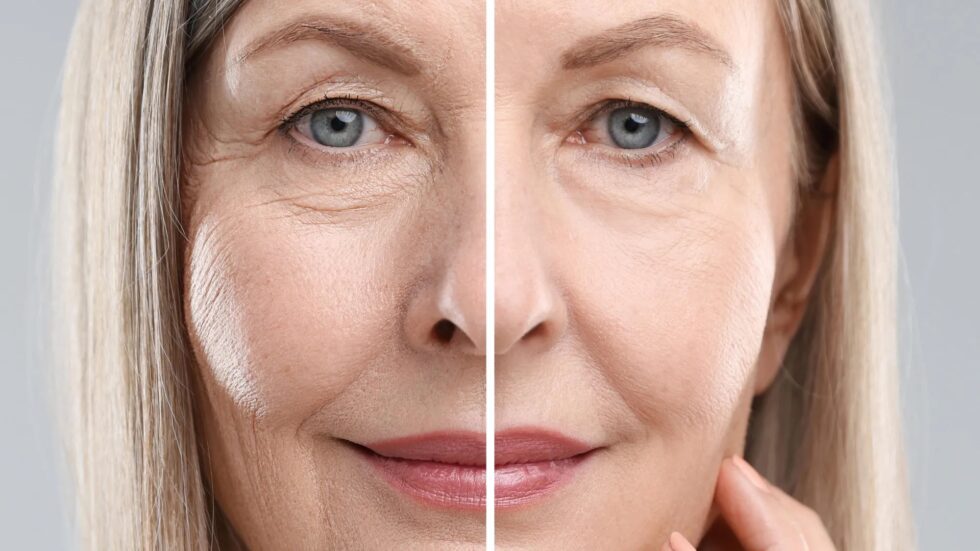
We all know people who seem remarkably young for their age—and others who appear older than the number on their driver’s license. Scientists are increasingly finding that the difference may be more than skin deep.
Research on what scientists call “perceived age”—how old someone looks to other people—has produced some fascinating findings. In one large study of more than 1,800 twins, looking older than your chronological age was associated with poorer physical and cognitive function, shorter telomeres, and even a greater risk of dying earlier. Researchers at the University of Tokyo have similarly found that perceived age can be a surprisingly useful indicator of health and aging, including cognitive function.
One possible connection is chronic inflammation.
Your Cells Have a Biological Clock
At the ends of our chromosomes are protective structures called telomeres. Think of them a little like the plastic tips on shoelaces: they help protect the important genetic material inside.
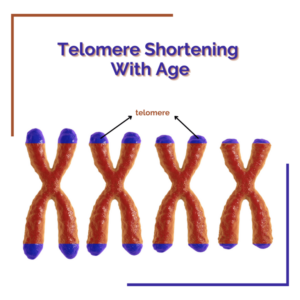
But telomeres have a limitation. In most of our cells, they become a little shorter each time the cell divides. Eventually, when telomeres become critically short, cells can no longer divide normally and may enter a state called cellular senescence.
Inflammation appears to interact with this process.
Short-term inflammation is essential. If you cut your finger or catch an infection, your immune system creates inflammation to protect you and help repair the damage.
The problem is chronic, low-grade inflammation—an immune response that doesn’t completely switch off.
Chronic inflammation and the oxidative stress associated with it can accelerate telomere damage. Inflammation can also increase demands for immune-cell turnover and tissue repair. At the same time, aging and damaged or senescent cells can themselves release inflammatory signals.
Scientists sometimes call this cycle “inflammaging.”
In other words, aging can promote inflammation, and chronic inflammation can potentially accelerate some of the biological processes associated with aging.
What Causes Chronic Inflammation?
Some inflammation comes from diseases or infections and requires medical treatment. But everyday habits and exposures can also contribute to persistent low-grade inflammation.
Among the factors researchers have identified are smoking, excess visceral body fat, physical inactivity, chronic psychological stress, inadequate or disrupted sleep, heavy alcohol consumption, poor diet, air pollution and certain environmental exposures.

This is actually encouraging news because several of these factors are things we can influence.
What Can You Do?
There is no proven treatment that simply “makes your telomeres longer,” and you should be skeptical of supplements or products promising to reverse cellular aging.
The more practical strategy is much less glamorous—and much better supported by evidence.
Move every day. Regular physical activity is one of the most powerful things you can do for long-term health. It doesn’t have to mean running marathons. Walking, swimming, cycling and strength training all count.
Protect your sleep. Aim for a regular schedule and enough sleep for your body to recover. Sleep disruption has been associated with chronic inflammation.
Eat mostly real food. Build meals around vegetables, fruits, whole grains, beans, nuts, fish and other minimally processed foods. Limit heavily processed foods and excessive added sugar.
Don’t smoke. Tobacco smoke is a potent source of inflammation and oxidative stress.
Maintain a healthy weight, particularly around the waist. Visceral fat isn’t simply stored energy. Fat tissue can release inflammatory signaling molecules.
Find ways to manage chronic stress. Exercise, time outdoors, social connection, meditation, hobbies—and yes, massage—can all be useful ways to relax and manage stress.
Massage isn’t a treatment for chronic inflammation or a way to reverse aging. But regular massage can be part of a broader self-care routine that encourages relaxation, movement, recovery and taking time away from the stresses of everyday life.
At Massage Therapy Center Palo Alto, we’ve spent more than 40 years helping people feel better in their bodies. Whether you come in for deep tissue, Swedish, sports massage or simply an hour to slow down and relax, taking care of your body today is one small investment in how you feel for years to come.