
PFAS and “Forever Chemicals”: What They Are, Why They Matter, and How to Protect Your Health

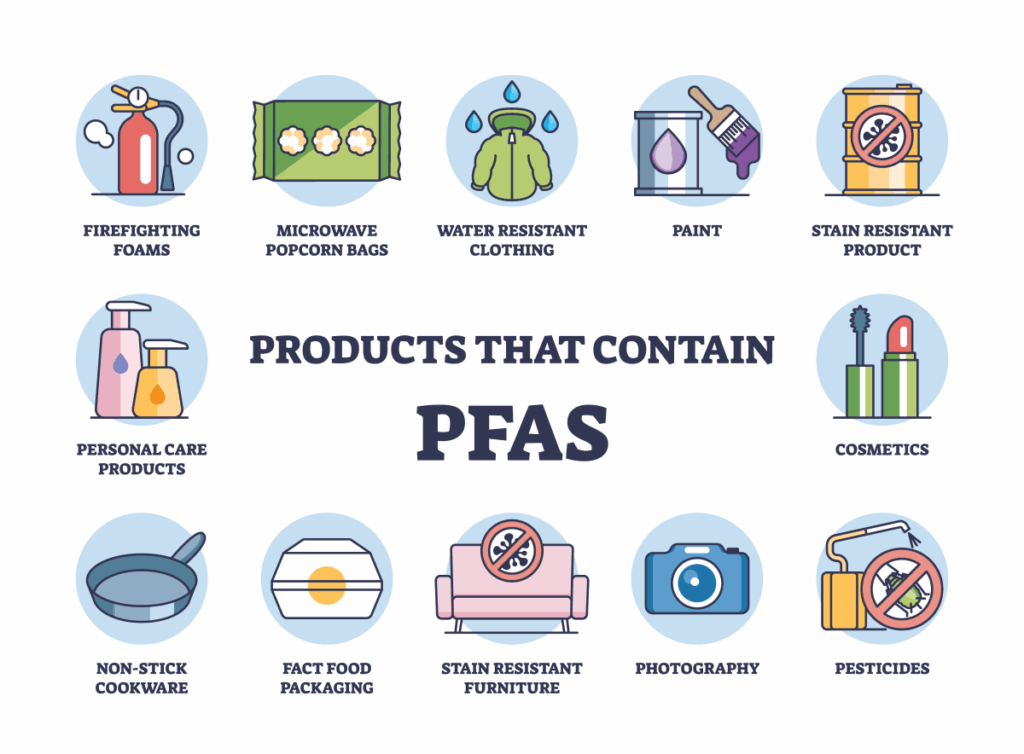
PFAS—also known as “forever chemicals”—are increasingly found in our air, water, food, clothing, cookware, and home environments. Because they do not break down and can remain in the body for years, PFAS are becoming an important wellness concern.
What Are PFAS?
PFAS (per- and polyfluoroalkyl substances) are a large family of chemicals used since the 1940s to make products:
- nonstick
- waterproof
- stain-repellent
- grease-resistant
They are called “forever chemicals” because they persist in soil, water, and human tissue for decades.
Potential Health Effects
Long-term PFAS exposure has been linked to:
- Hormone disruption
- Immune system suppression
- High cholesterol
- Thyroid dysfunction
- Reduced fertility
- Pregnancy complications
- Liver damage
- Elevated cancer risk
Because health effects accumulate slowly, prevention and reduction of exposure are essential.
How PFAS Enter Daily Life — And Practical, Safer Alternatives
Below are the most common sources of PFAS and the steps you can take to avoid them, with bamboo and silicone options included where appropriate.
1. Drinking Water
Risk:
PFAS contamination in tap water is widespread in many U.S. regions, including parts of California.
How to reduce exposure:
- Use reverse osmosis (RO) filtration, or
- Use a carbon block filter certified for PFAS reduction
- Store drinking water in glass, stainless steel, or food-grade silicone bottles
- Avoid plastic water bottles, which may contain microplastics that add to toxic load
2. Cookware
Risk:
Traditional nonstick pans can release PFAS when heated or damaged.
Safer alternatives:
- Cast iron
- Stainless steel
- Carbon steel
- PFAS-free ceramic-coated pans
- Silicone baking mats (heat-stable and PFAS-free)
- Uncoated bamboo utensils for cooking
3. Food Packaging & Takeout Containers
Risk:
PFAS are often used to prevent grease from soaking through packaging.
How to reduce exposure:
- Transfer takeout to glass, ceramic, or food-grade silicone containers
- Avoid microwaving food in disposable packaging
- Reduce consumption of microwave popcorn bags
- Choose stovetop popcorn or air-popped options
Safe material suggestions:
- Bamboo cutlery for meals on-the-go
- Silicone reusable food pouches instead of plastic bags
- Beeswax wraps or silicone bowl covers instead of plastic wrap
4. Cosmetics & Personal Care Products
Risk:
PFAS may be added to long-wear or waterproof cosmetic formulas.
How to reduce exposure:
- Choose products clearly labeled PFAS-free
- Avoid ingredients ending in “-fluoro” or PTFE
- Be cautious with waterproof makeup products
- Store self-care products in glass, bamboo, or silicone containers when possible
5. Clothing & Fabric Treatments
Risk:
Waterproof, stain-resistant, and wrinkle-free fabrics often contain PFAS-based coatings.
Safer alternatives:
- Clothing made from natural fibers such as cotton, linen, wool, or bamboo fabric
- Untreated fabrics whenever possible
- Skip stain-resistant treatments for sofas, rugs, or carpets
Home suggestions:
- Opt for natural-fiber rugs
- Use cotton or bamboo bedding
- Choose PFAS-free mattress protectors
6. Household Products
PFAS can be found in:
- stain-resistant textiles
- some bathroom and kitchen sprays
- waterproof mattress covers
- certain types of dental floss
Safer alternatives:
- Natural-fiber rugs
- PFAS-free mattress covers
- Uncoated parchment paper instead of grease-proof baking paper
- Bamboo toothbrushes, bamboo cleaning tools, or silicone cleaning brushes
- Natural or PFAS-free dental floss
7. Outdoor Gear
Waterproof outdoor gear (jackets, tents, backpacks) often contains PFAS coatings.
How to reduce exposure:
- Choose items labeled PFAS-free
- Look for gear treated with wax or naturally water-resistant materials
- Consider bamboo-fiber fabrics and silicone-based waterproofing alternatives where available
Supporting Your Body’s Natural Detox Pathways
While you can’t remove PFAS completely, you can help your body process toxins more easily:
- Stay hydrated
- Eat high-fiber foods
- Include cruciferous vegetables (broccoli, cabbage, kale)
- Move your body daily
- Use sauna or heat therapy to encourage sweating
- Get adequate sleep
- Consider regular massage to support lymphatic and circulatory health
These habits help reduce inflammation and support natural detoxification.
Bottom Line
PFAS are widespread, but small daily choices make a meaningful difference:
- Filter your water
- Use safer cookware
- Replace plastic items with glass, stainless steel, bamboo, or silicone
- Choose PFAS-free cosmetics and clothing
- Reduce takeout packaging
- Improve indoor air and dust control
Lowering your exposure doesn’t require perfection—just awareness and consistent habits that support your long-term wellness.