

“I’m tired all the time.”
It’s one of the most common complaints healthcare providers hear. While many people blame aging, a busy schedule, or lack of sleep, persistent fatigue is often a sign that something deeper is going on.
Fatigue is more than simply feeling sleepy. It’s a lack of physical, mental, or emotional energy that doesn’t improve with a good night’s rest. In many cases, it’s the body’s way of signaling that one or more systems aren’t functioning optimally.
The challenge is that fatigue can have many different causes. Hormones, blood sugar, sleep quality, nutrition, stress levels, immune function, and even the nervous system all play important roles in energy production. When one of these systems becomes disrupted, exhaustion can follow.
The good news is that most causes of fatigue can be identified and addressed. Here are eight of the most common reasons you may be feeling drained—and what you can do about them.
1. Thyroid Dysfunction
The thyroid is a small gland in the neck that helps regulate metabolism, body temperature, heart rate, and energy production.
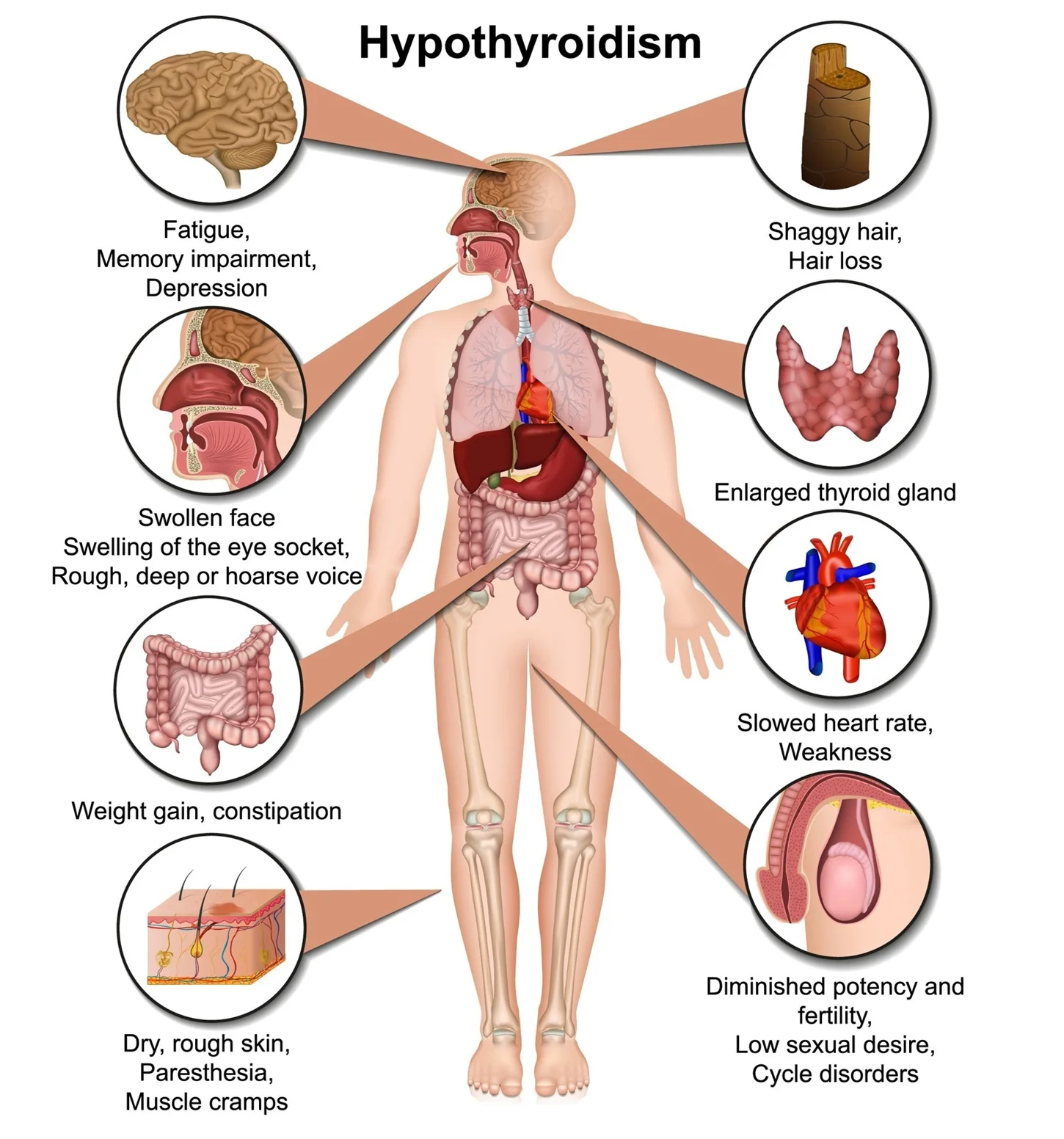
When the thyroid becomes underactive—a condition known as hypothyroidism—the body’s processes slow down. Many people describe feeling as if they’re moving through mud or carrying extra weight everywhere they go.
Common Symptoms
What to Do
Ask your healthcare provider about a comprehensive thyroid evaluation. Standard testing often focuses on thyroid-stimulating hormone (TSH), but additional thyroid hormones such as T3 and T4 may provide a more complete picture.
Supporting thyroid health may involve medication when needed, adequate protein intake, stress reduction, and improved sleep habits.
2. Hormonal Imbalances
Hormones act as the body’s chemical messengers, influencing metabolism, energy production, recovery, and mood.
When hormones become imbalanced, fatigue often follows.
Low levels of estrogen, testosterone, DHEA, or other hormones can reduce the body’s ability to repair and rebuild. At the same time, elevated stress hormones such as cortisol can leave you feeling exhausted and depleted.
Hormonal shifts during puberty, pregnancy, postpartum recovery, and perimenopause are particularly common times for fatigue to appear.
Common Symptoms
- Fatigue
- Mood changes
- Sleep disturbances
- Weight fluctuations
- Low libido
- Loss of muscle mass
- Slower recovery from exercise
What to Do
Focus on the basics first:
- Prioritize sleep
- Manage stress
- Eat balanced meals
- Exercise regularly
If symptoms persist, hormone testing may help identify imbalances. In some cases, targeted supplements or hormone replacement therapy may be appropriate.
3. Blood-Sugar Dysregulation
Your body relies on a steady supply of glucose for energy.
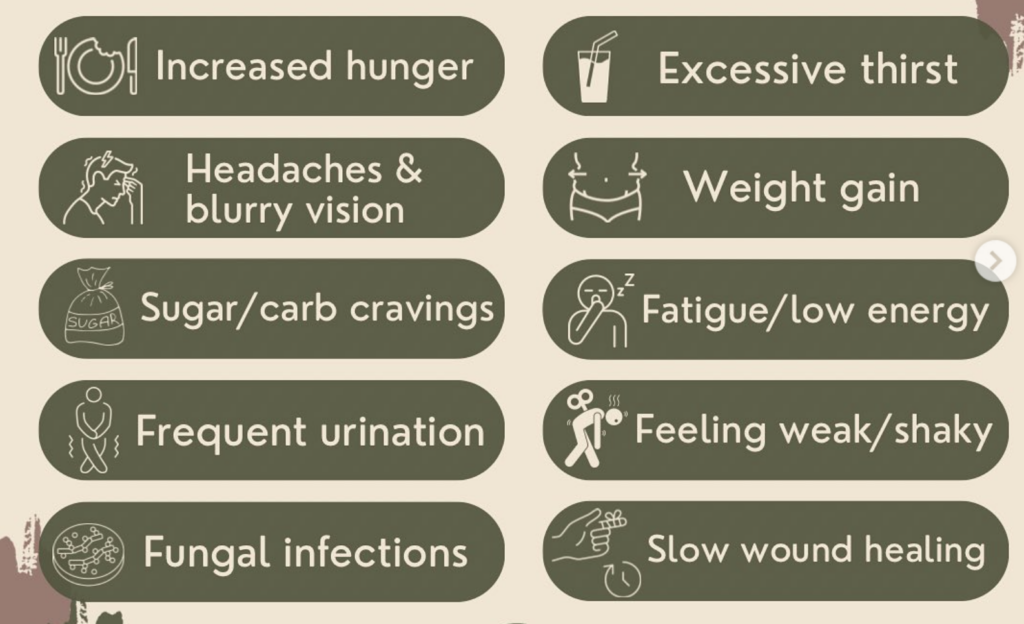
When meals are skipped or consist primarily of refined carbohydrates and sugary foods, blood sugar can spike and crash throughout the day. These fluctuations often lead to energy crashes, brain fog, irritability, and cravings.
Over time, unstable blood sugar can also affect sleep, hormone balance, and insulin sensitivity, creating a cycle of ongoing fatigue.
Common Symptoms
What to Do
Build meals around:
- Protein
- Healthy fats
- Fiber-rich vegetables
- Whole-food carbohydrates
Additional strategies include:
- Walking after meals
- Strength training
- Stress management
- Consistent meal timing
- Prioritizing sleep
Blood tests such as fasting glucose, fasting insulin, and hemoglobin A1c can provide valuable information about blood-sugar regulation.
4. Sleep Apnea
Many people assume they’re sleeping enough because they spend seven or eight hours in bed. But sleep quality matters just as much as sleep quantity.
Sleep apnea occurs when breathing repeatedly pauses during sleep. These interruptions prevent deep, restorative sleep and can lower oxygen levels throughout the night.
As a result, people often wake feeling unrefreshed, no matter how many hours they spent asleep.
Although excess weight can increase risk, sleep apnea also affects younger and thinner individuals.
Common Symptoms
- Loud snoring
- Daytime fatigue
- Morning headaches
- Brain fog
- Difficulty concentrating
- Waking up feeling unrefreshed
What to Do
If you suspect sleep apnea, talk with your healthcare provider about a sleep evaluation. Home sleep tests and overnight sleep studies can help identify the condition.
Treatment options may include:
- CPAP therapy
- Weight loss when appropriate
- Reducing alcohol intake
- Positional sleeping strategies
- Dental devices
Many people experience dramatic improvements in energy once sleep apnea is treated.
5. Nutrient Deficiencies
Your body cannot produce energy efficiently without the right nutrients.
Even mild deficiencies can affect how well cells function and how effectively oxygen is delivered throughout the body.
Some of the most common nutrient deficiencies linked to fatigue include:
- Iron
- Vitamin B12
- Folate (Vitamin B9)
- Vitamin D
- Magnesium
Iron deficiency is particularly common among menstruating women and frequent blood donors.
Common Symptoms
- Fatigue
- Weakness
- Hair loss
- Pale skin
- Shortness of breath
- Slow wound healing
- Heart palpitations
What to Do
Ask your healthcare provider about testing for:
- Iron
- Ferritin
- Vitamin B12
- Vitamin D
- Magnesium
Focus on nutrient-dense foods such as:
- Lean meats
- Fish
- Eggs
- Beans
- Lentils
- Nuts and seeds
- Colorful fruits and vegetables
Supplementation may be beneficial when deficiencies are identified.
6. Hidden Infections
Sometimes fatigue stems from an immune system that’s working overtime.
Certain infections can linger quietly in the background without causing obvious symptoms. Examples include chronic sinus infections, dental infections, viral reactivations, post-viral syndromes, and some tick-borne illnesses.
Even when symptoms appear mild, the body’s immune response can consume significant energy.

Common Symptoms
- Persistent fatigue
- Brain fog
- Frequent illness
- Swollen lymph nodes
- Low-grade fevers
- General feeling of being “run down”
What to Do
Support immune health by:
- Managing stress
- Eating a nutrient-rich diet
- Prioritizing sleep
- Exercising regularly
If fatigue persists without explanation, discuss the possibility of underlying infection with your healthcare provider.
7. Autonomic Nervous System Dysfunction
The autonomic nervous system controls many automatic functions, including heart rate, blood pressure, digestion, and breathing.
When this system becomes dysregulated, even simple activities such as standing, walking, or taking a hot shower can become surprisingly exhausting.
One common issue involves difficulty maintaining adequate blood flow to the brain when standing, causing symptoms that resemble extreme fatigue.
Common Symptoms
- Lightheadedness when standing
- Racing heart
- Shortness of breath
- Brain fog
- Weakness
- Feeling tired but unable to sleep
What to Do
Treatment depends on the underlying cause but may include:
- Hydration
- Electrolyte support
- Exercise programs
- Dietary modifications
- Medications when appropriate
Because symptoms often overlap with other conditions, proper evaluation is important.
8. Burnout, Grief, and Depression
Fatigue isn’t always driven by a physical illness.
Chronic stress, emotional exhaustion, grief, and depression can profoundly affect energy levels. The brain consumes tremendous resources when coping with prolonged stress or major life changes.
Burnout, in particular, often develops gradually. Many people push through exhaustion until their bodies finally demand rest.
Grief can be equally draining. Processing loss requires emotional and cognitive energy, leaving many people feeling physically exhausted.
Common Symptoms
- Persistent fatigue
- Loss of motivation
- Sleep problems
- Emotional numbness
- Difficulty concentrating
- Feelings of overwhelm
- Reduced enjoyment of activities
What to Do
Start with the fundamentals:
- Prioritize sleep
- Move your body regularly
- Eat nourishing foods
- Create time for recovery
Small, consistent actions often work better than drastic changes. Counseling, therapy, support groups, and medical care can also play an important role in recovery.
A Special Note About Chronic Fatigue Syndrome
Myalgic encephalomyelitis/chronic fatigue syndrome (ME/CFS) is a complex condition characterized by profound fatigue lasting six months or longer.
Unlike ordinary tiredness, symptoms do not improve significantly with rest. Many people also experience brain fog, poor sleep, and a worsening of symptoms after physical or mental exertion.
While researchers are still working to understand the condition, treatment typically focuses on symptom management, pacing activities, improving sleep, and supporting overall function.
The Bottom Line
Fatigue is often treated as a normal part of modern life, but persistent exhaustion is usually a signal worth paying attention to.
Whether the cause is thyroid dysfunction, hormone imbalance, unstable blood sugar, poor sleep, nutrient deficiencies, chronic stress, or another underlying issue, fatigue is rarely the problem itself—it’s a symptom.
If you’ve been feeling tired for weeks or months despite adequate rest, consider talking with a healthcare provider. Identifying the root cause can make a remarkable difference in your energy, health, and quality of life.
(original article was from Experience Life May/June 2026)