
Your Body Is Always Rebuilding and Your Habits Help Shape What Comes Next
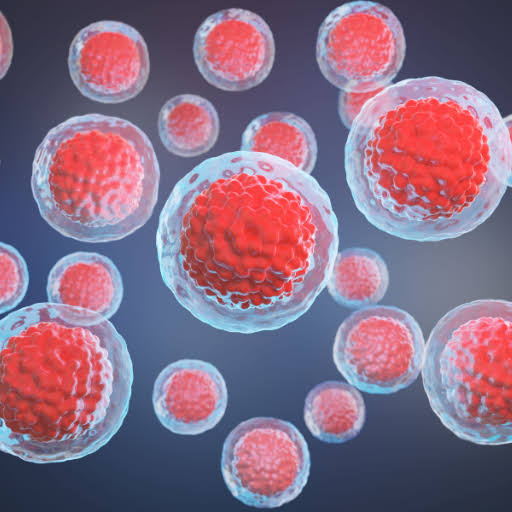
You may have heard that the human body replaces all its cells every seven years. It is a wonderfully motivating idea—and not quite true. Your body does not wait for one grand renewal date. It is more like a city under continuous renovation: some surfaces are replaced quickly, some structures change slowly, and a few important parts are built to last.
The real obstacle is not “old cells.” It is all-or-nothing thinking: the belief that a healthier life requires a dramatic reinvention. Biology offers a more hopeful message. Your body is doing maintenance every day, and the ordinary conditions you create—food, movement, sleep, protection, and recovery—are the conditions in which that work happens.
There Is No Single Cell-Renewal Clock
Different tissues keep very different schedules. A meta-analysis of human studies estimated that the cells lining the intestine turn over in about 3.5 days on average. Red blood cells circulate for roughly 120 days. Meanwhile, many cells in the brain and heart are exceptionally long-lived and have limited replacement.
The scale is remarkable. Researchers estimate that an average adult turns over roughly 330 billion cells a day. Close to 90 percent of those cells, by number, are blood cells. That does not mean you become a “new person” every few months. It means your body is continuously balancing loss, repair, and replacement across many systems.
Habits do not magically program each new cell, and they cannot erase genetics, illness, or aging. But habits repeatedly change the environment your tissues experience. A walk changes the demands placed on muscles and circulation. A balanced meal supplies protein, minerals, fats, and carbohydrates used in normal maintenance. Sleep supports regulation and recovery. Sunscreen reduces preventable ultraviolet exposure. Small choices matter because they recur.

Five Habits That Give Your Cells Better Instructions and Materials
1. Give muscle cells a reason to rebuild. Resistance exercise creates a signal that tells muscle tissue to adapt. A 2024 analysis of 79 controlled trials found a robust rise in muscle-protein synthesis after resistance exercise, with measurable increases sometimes lasting up to 48 hours. Twice a week, do two sets each of chair squats, wall push-ups, resistance-band rows, and loaded carries. The last few repetitions should feel challenging while your form remains controlled.
2. Put building materials into every main meal. Cells need amino acids from dietary protein. Instead of saving nearly all your protein for dinner, include a source at breakfast and lunch too: eggs, yogurt, tofu, fish, chicken, beans, or lentils. Add two differently colored plants for fiber, vitamins, and other compounds used in normal cell function.
3. Feed the cells in your colon indirectly. You cannot digest fiber, but gut microbes can ferment some fibers into short-chain fatty acids; colon cells use butyrate as an important fuel. In a meta-analysis of 64 trials involving 2,099 healthy adults, fiber interventions increased certain beneficial bacteria and modestly increased fecal butyrate. Make the experiment concrete: add one daily serving of beans, oats, barley, berries, or nuts, increasing gradually if your current fiber intake is low.

4. Protect the nightly maintenance window. Sleep loss is associated with cellular stress involving protein management, energy production, immune signaling, and DNA maintenance. For two weeks, keep your wake time within about 30 minutes, allow seven to eight hours in bed, and move the phone beyond arm’s reach. Judge the experiment by morning alertness and afternoon energy—not perfection.
5. Make skin care protective, simple, and boring. Choose a gentle cleanser and moisturizer labeled fragrance-free—not “unscented,” which may contain masking fragrance. For dry or sensitive skin, a cream or ointment holds moisture better than lotion; useful ingredients include ceramides, glycerin, hyaluronic acid, or petrolatum. Apply it to damp skin. In the morning, finish with broad-spectrum, water-resistant SPF 30 or higher; try a mineral sunscreen with zinc oxide or titanium dioxide if other formulas sting. Introduce one product at a time and patch-test it on the inner arm for seven to 10 days. Skip harsh scrubs, fragranced oils, and the assumption that “natural” means non-irritating. Persistent redness, itching, cracking, or changing spots deserve a dermatologist’s attention.
What Not to Do
You do not need a detox, a punishing cleanse, or an expensive supplement stack to “replace” your cells. Your liver, kidneys, lungs, skin, and digestive system already handle normal processing and elimination. Supplements can be useful for a diagnosed deficiency or a clinician-recommended need, but they are not a shortcut around food, sleep, movement, or medical care.
Also resist measuring progress only by the mirror. Some worthwhile changes—steadier energy, easier movement, better sleep, less afternoon stiffness—may appear before visible changes do. If fatigue, pain, digestive trouble, skin changes, or other symptoms persist, speak with a qualified healthcare professional rather than assuming a habit will solve everything.
Start With One Vote for the Person You Want to Become
Choose one experiment and an exact cue: “After breakfast, I apply sunscreen” or “Tuesday and Saturday, I do two strength sets.” Try it for 30 days and watch for easier movement, steadier energy, better digestion, or more consistent sleep. You are changing the signals, materials, and exposures your cells encounter, one ordinary day at a time.
And if part of your maintenance plan is making space to slow down and release everyday tension, Massage Therapy Center in Palo Alto is here to help you build that pause into your routine.