
Why Women’s Hair Thins and What Can Actually Help
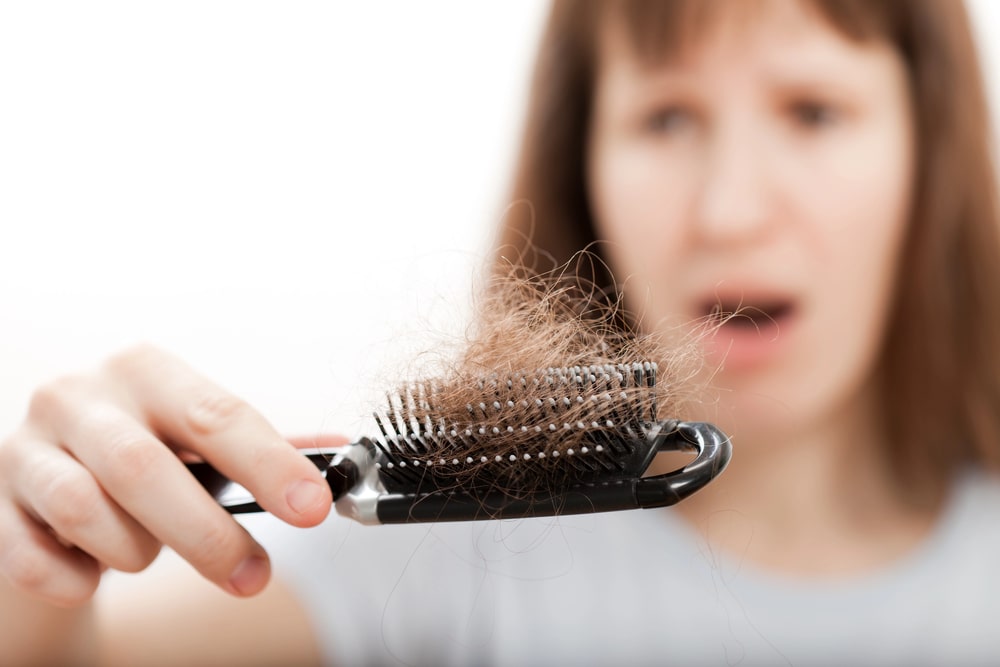
You notice more hair in the shower and immediately wonder: Was it last night’s poor sleep? The stressful week? Something you ate?
Usually, hair does not work on such a short schedule. One of the most useful things to know about shedding is that the cause may be hiding two or three months in the past. That delay—and the difference between shedding, breakage, and gradual thinning—can tell you much more than a bottle of “hair vitamins” can.
The three-month clue
A strand of hair can grow for two to six years. It then rests for several months before falling out. A major physical or emotional strain can push more follicles into that resting stage at once. The strands do not fall immediately; they often shed two or three months later.
This temporary shift is called telogen effluvium. Common triggers include childbirth, fever, surgery, a serious illness, intense emotional stress, stopping birth control, rapid weight loss, or losing 20 pounds or more. The American Academy of Dermatology says fullness often returns within six to nine months after the body readjusts.
So if shedding begins in October, look back at July or August—not just yesterday. That small timeline exercise is often the first genuinely helpful clue.

Shedding, breakage, or gradual thinning?
Shedding means complete strands are releasing from the scalp. It tends to happen all over rather than in one neat spot. Losing 50 to 100 hairs a day is considered normal, although washing long hair can make that amount look surprisingly dramatic.
Breakage happens along the hair shaft. You may notice shorter pieces, frayed ends, or a halo of uneven hairs. Bleach, frequent high heat, rough detangling, and tight styles are common contributors. Breakage does not mean the follicle has stopped growing; the strand simply snapped before reaching its full length.
Female pattern hair loss is usually gradual. The center part becomes wider and the hair on top looks less dense while the front hairline often remains. The follicle slowly produces shorter, finer strands. MedlinePlus estimates that this affects about 30 million women in the United States.
What stress and sleep can—and cannot—do
Stress can contribute to temporary shedding, but “stress” includes more than worry. Illness, surgery, under-eating, rapid weight loss, and poor sleep can all be strains on the body. This is why telling a woman to “just relax” is both unhelpful and incomplete.
Better sleep and regular moments of recovery support general health and may remove one part of the strain. They cannot change inherited female pattern loss, correct an iron or thyroid problem, or treat an autoimmune condition. Think of them as supportive care, not a secret cure.
Five useful things to do this week
- Build a 90-day timeline. Write down illnesses, surgery, childbirth, medication changes, major stress, restrictive dieting, and rapid weight loss from the three months before shedding began. This is far more informative than reviewing yesterday’s meals.
- Photograph your part once a month. Use the same room, angle, lighting, and hairstyle. Monthly pictures can show whether the part is truly widening. Daily mirror checks mostly show changes in light—and increase worry.
- Make meals boringly reliable. Include a protein source and regularly eat iron-rich foods such as beans, lentils, tofu, seafood, meat, or fortified grains. Avoid crash diets. Iron supplements are not harmless extras; testing can show whether you actually need one.
- Choose a realistic sleep anchor. Keep roughly the same wake time, then add a short wind-down you enjoy: dim lights, a shower, stretching, reading, or slow breathing. Consistency matters more than constructing a perfect nighttime ritual.
- Remove one source of hair stress. Loosen the style that pulls, lower the iron temperature, take a break from extensions, or detangle from the ends upward. If a hairstyle hurts, stings, or leaves bumps, it is too tight.
One popular shortcut worth questioning
Biotin appears in countless hair gummies, but more is not automatically better. Evidence for routine high-dose biotin without a deficiency is limited. More importantly, the FDA warns that biotin can interfere with certain blood tests and produce incorrect results. If you take it, tell your healthcare team before laboratory testing.
When the pattern deserves a closer look
Home care is a reasonable starting point, especially if you do not want medication. But sudden bald patches, eyebrow loss, scalp pain, burning, sores, heavy scaling, or a rapidly receding hairline are good reasons to seek an evaluation. A widening part, irregular periods, new facial hair, or persistent shedding can also provide useful clues about hormones, iron, or thyroid health.
You are still free to decline treatment. An evaluation is information, not a commitment.
Start with the 90-day timeline and one monthly photograph. Then choose one supportive habit—not five. If massage helps you unwind and sleep more easily during a stressful season, Massage Therapy Center in Palo Alto is here to offer a calm place to land.