
What My Oura Ring Got Me Thinking About Sleep
I’ve been playing with my new Oura Ring for a few days.
The novelty wears off quickly—but one thing stuck with me.
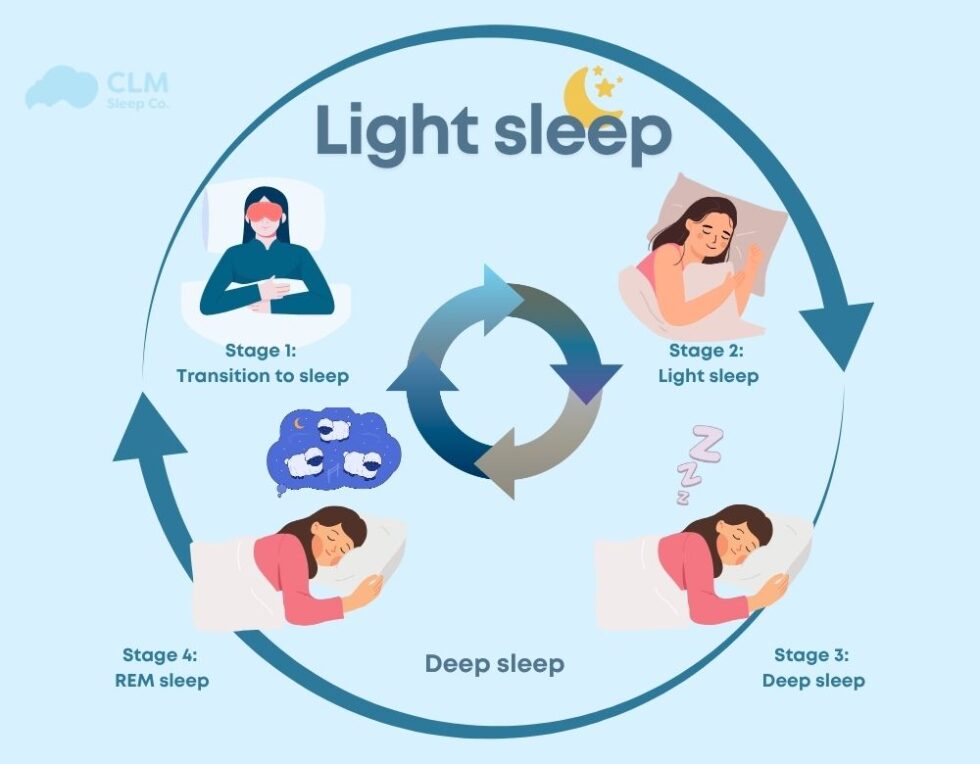
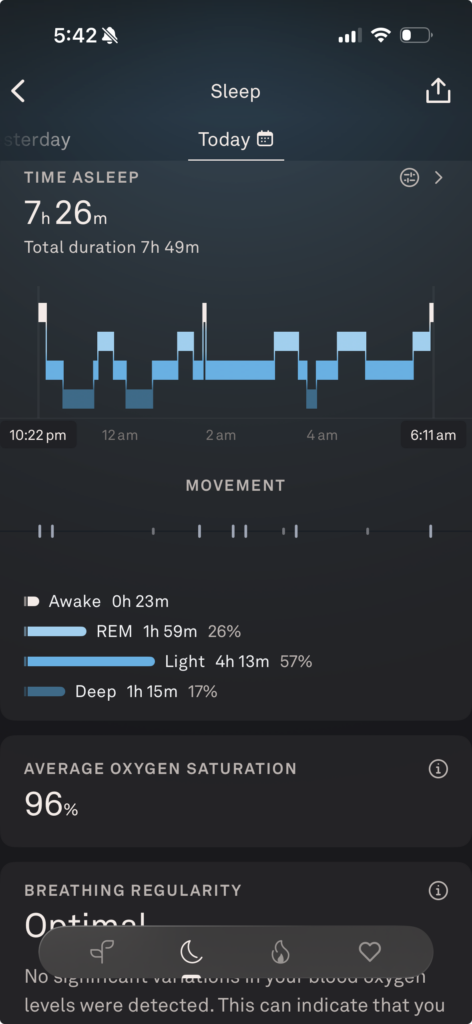
It doesn’t just tell you how long you slept. It shows you how your night is actually structured—REM, deep, light, all cycling through the night.
And that’s the part most people miss.
We talk about “getting 7–8 hours,” but that’s a crude measure. Two people can both sleep 7.5 hours and wake up feeling completely different. The difference is in the composition of that sleep.
Sleep Is Doing Work
Sleep isn’t downtime. It’s scheduled maintenance.
Your body is repairing tissue, regulating hormones, and resetting your immune system. Your brain is sorting memory, processing emotions, and clearing out waste.
If you consistently under-sleep—or sleep poorly—you don’t just feel tired. You’re running a system that hasn’t been serviced.
And the effects don’t show up immediately. They accumulate.
The Two Parts That Actually Matter
If you strip it down, two stages matter most: deep sleep and REM sleep.
Deep sleep is physical recovery.
That’s when your body repairs itself—muscle, immune function, even basic cellular maintenance. Most adults get about 1 to 2 hours per night, roughly 15–25% of total sleep.
REM sleep is brain work.
Memory consolidation, learning, emotional regulation. If you’ve ever “felt clearer” after a good night’s sleep, that’s largely REM doing its job. You’re looking for about 1.5 to 2.5 hours, around 20–25%.
You don’t need perfect numbers. But if either of these is consistently low, something is off.
What Happens If You Get This Wrong
The short-term effects are obvious—fatigue, brain fog, irritability.
The long-term effects are more serious.
Chronic poor sleep is linked to:
- Cognitive decline
- Higher risk of Alzheimer’s
- Anxiety and mood disorders
- Metabolic issues
- Cardiovascular disease
One mechanism that’s getting more attention: during deep sleep, your brain clears out metabolic waste, including proteins associated with neurodegeneration.
If that process is disrupted night after night, it’s not harmless.
Improving Sleep Is Mostly About Removing Friction
Most people don’t need hacks. They need fewer obstacles.
A few things that actually move the needle:
Consistency matters more than you think
Going to bed at wildly different times confuses your system. The body likes rhythm.
Evenings need a downshift
You can’t go from high stimulation straight into deep sleep. If your mind is still racing, your sleep will be shallow—even if you’re exhausted.
Stress is the hidden variable
This is the big one. People underestimate how much a tense body interferes with sleep quality.
This is also where something like massage actually matters.
Not as a luxury, but as a physiological reset. It lowers stress hormones, relaxes muscle tension, and helps shift your body out of that “always on” state. A lot of people notice they sleep more deeply after a session. That’s not placebo—that’s their nervous system finally calming down.
Environment still counts
Cool, dark, quiet. Basic, but effective.
Alcohol is deceptive
It helps you fall asleep, but it fragments your sleep and reduces REM. You pay for it later in the night.
The Real Takeaway
The Oura Ring didn’t change how I sleep.
It just made something visible that’s easy to ignore.
Sleep quality—not just duration—is one of the most important inputs into how you function the next day, and how you age over time.
Most people are leaving that on the table.
And unlike a lot of health interventions, this one is still largely under your control.