
The Pain Doesn’t Start at 70. That’s Just When You Finally Notice It.
Many of us have seen it happen.
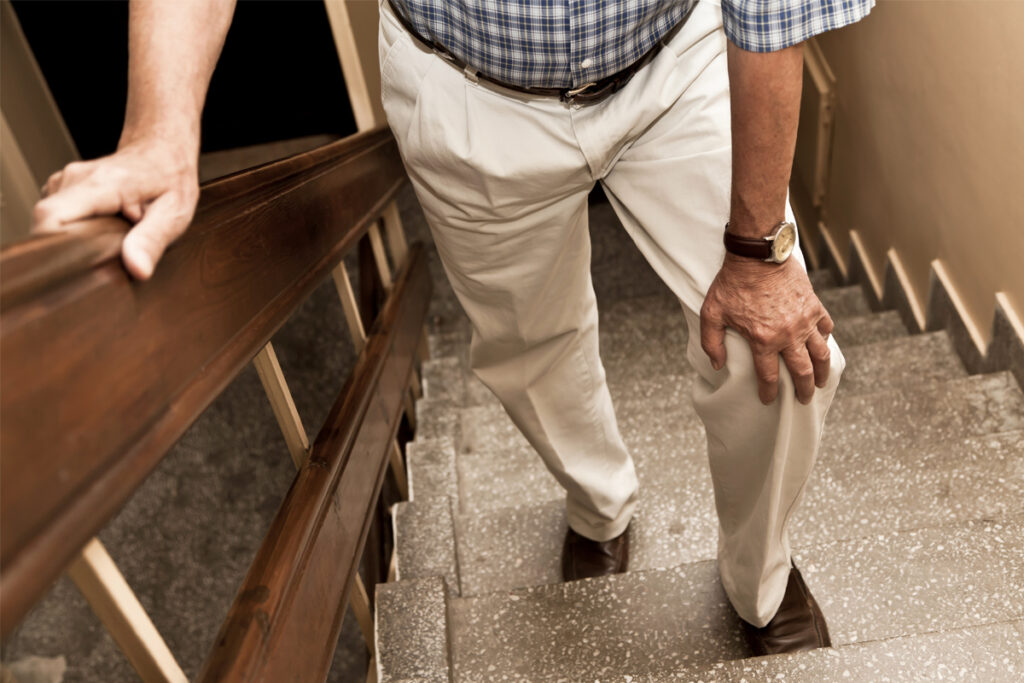
A parent who no longer enjoys long walks. A friend in their seventies who avoids stairs whenever possible. Someone who takes a little longer to stand up after sitting or says, “My knees just aren’t what they used to be.”
It’s easy to assume these changes are simply an unavoidable part of aging.
But in many cases, they aren’t.
The truth is that knee and hip problems usually begin decades before they become painful. By the time discomfort appears in our sixties, seventies, or eighties, the process has often been quietly developing for years.
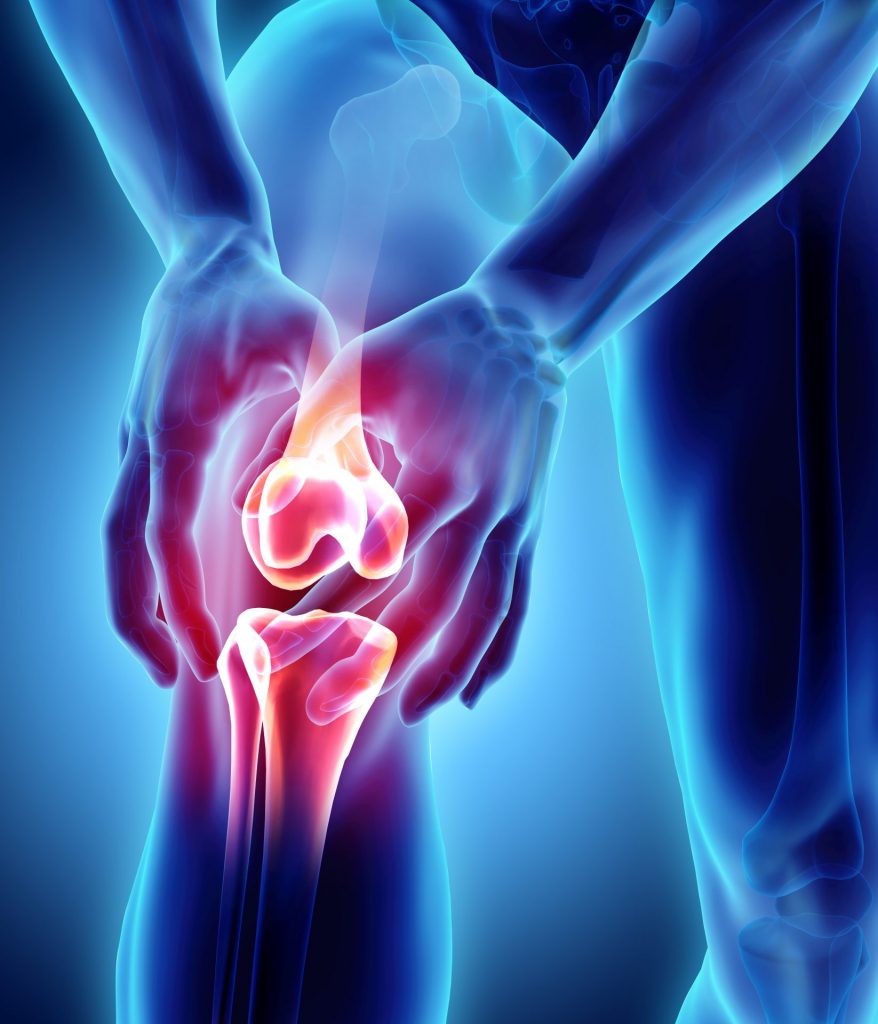
Our knee and hip joints are remarkable pieces of engineering. Smooth cartilage covers the ends of the bones, allowing them to glide with almost no friction. Menisci act as shock absorbers. Ligaments provide stability. Tendons connect muscles to bones. Together, they support hundreds of thousands of steps every year.
Unfortunately, these tissues don’t last forever if we don’t take care of them.
Years of prolonged sitting, weak muscles, excess body weight, poor movement patterns, repetitive stress, and untreated injuries slowly increase the load on our joints. Cartilage gradually becomes thinner. The menisci become less resilient. Muscles weaken and absorb less impact, forcing the joints themselves to carry more of the stress.
The body compensates amazingly well, so most people notice very little at first. Maybe your knees feel stiff after sitting for a while. Maybe your hips ache after a long hike. Maybe climbing stairs feels just a little harder than it did five years ago.
These aren’t necessarily signs that you’re “getting old.” They’re often early signals that your joints need more support.
One important fact surprises many people: cartilage has very limited ability to repair itself. Once significant wear has occurred, modern medicine can often reduce pain and improve function, but it cannot fully restore the joint to its original condition. That’s why protecting your knees and hips today is one of the best investments you can make for your future mobility.
The encouraging news is that much of this process is preventable. You don’t have to be a marathon runner or spend hours in the gym. Small, consistent habits practiced over many years can dramatically reduce the stress on your joints and help you stay active well into later life.
10 Ways to Protect Your Knees and Hips
1. Keep Your Leg Muscles Strong
Your muscles are your body’s natural shock absorbers.
Strong quadriceps, hamstrings, glutes, calves, and core muscles reduce the force that reaches your knees and hips with every step. When these muscles weaken, the joints must absorb more impact on their own.
Simple exercises such as sit-to-stands, step-ups, bridges, bodyweight squats, and resistance band exercises performed two or three times a week can make a remarkable difference.
2. Don’t Ignore Your Hips
Many knee problems actually begin with weak hips.
The gluteal muscles help keep your knees aligned during walking, climbing stairs, and getting out of a chair. Strengthening the hips improves the mechanics of the entire lower body.
3. Stay Active Every Day
Movement nourishes your joints.
Unlike muscles, cartilage doesn’t have its own blood supply. Regular movement helps deliver nutrients to the cartilage while keeping the joint lubricated.
Walking, cycling, swimming, and gentle mobility exercises are excellent choices.
4. Maintain a Healthy Weight
Every extra pound of body weight places several pounds of additional force across the knee during walking.
Even modest weight loss can significantly reduce stress on your joints over thousands of daily steps.
5. Improve Flexibility
Tight muscles change the way your body moves.
Stretch your calves, hamstrings, quadriceps, hip flexors, and gluteal muscles regularly to maintain healthy movement patterns.
6. Choose Low-Impact Exercise
Exercise is essential—but it doesn’t have to punish your joints.
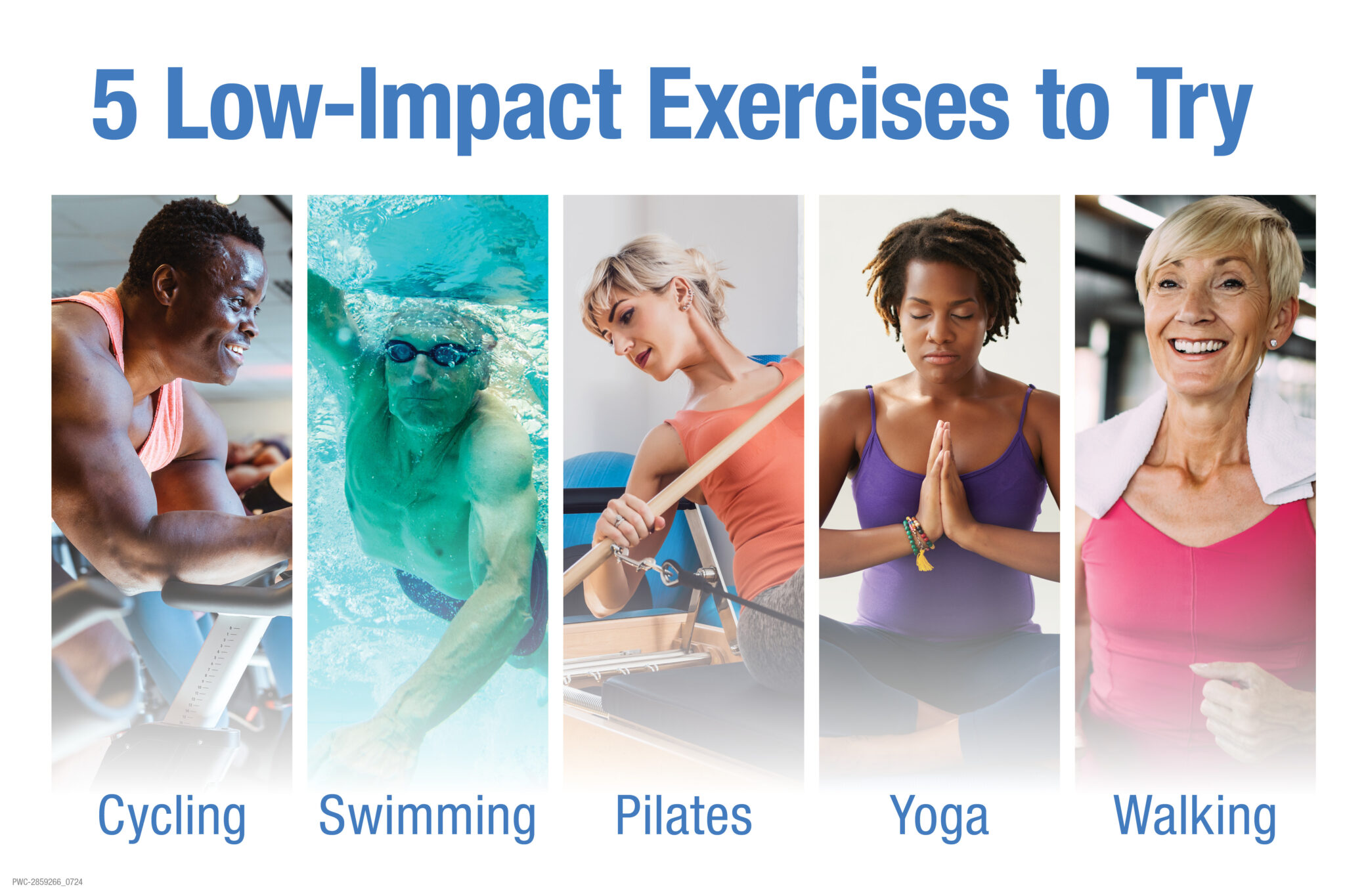
Swimming, cycling, rowing, elliptical training, and brisk walking provide excellent cardiovascular benefits while minimizing repetitive impact.
7. Wear Supportive Shoes
Your feet are the foundation of your entire body.
Worn-out shoes or poor support can affect alignment all the way up to the knees and hips.
8. Address Small Problems Early
Don’t wait until pain becomes severe.
Persistent stiffness, swelling, or discomfort lasting more than a few weeks deserves evaluation. Treating minor issues early often prevents much bigger problems later.
9. Recover as Hard as You Train
Recovery is when tissues repair themselves.
Adequate sleep, proper nutrition, hydration, and rest between strenuous activities are just as important as exercise itself.
10. Make Massage Part of Your Maintenance Plan
Massage therapy won’t regrow cartilage or cure arthritis, but it can help keep the muscles surrounding your knees and hips healthy.
Tight quadriceps, hamstrings, calves, hip flexors, and gluteal muscles can increase stress on the joints and alter the way you walk. Massage helps reduce muscle tension, improve flexibility, increase circulation, and restore more natural movement.
When combined with regular strengthening and stretching, massage can become an important part of a long-term joint health strategy.