
Eat More Colors, Feel Better: 10 Polyphenol-Rich Foods for Your Heart, Brain, and Mood
What if some of the most powerful ingredients for a healthier heart, sharper mind, and better mood are already sitting in your kitchen?
From your morning coffee to a handful of blueberries or a square of dark chocolate, everyday foods contain natural plant compounds called polyphenols. Research suggests these compounds may support heart health, brain function, and even emotional well-being.
But here’s what most people don’t realize: No single superfood gives you everything you need. The real benefits may come from something much simpler—eating a greater variety of plant foods.
Let’s explore 10 delicious, science-backed sources of polyphenols and five easy ways to bring more of them into your daily routine.
Ten Delicious Sources Worth Keeping Around
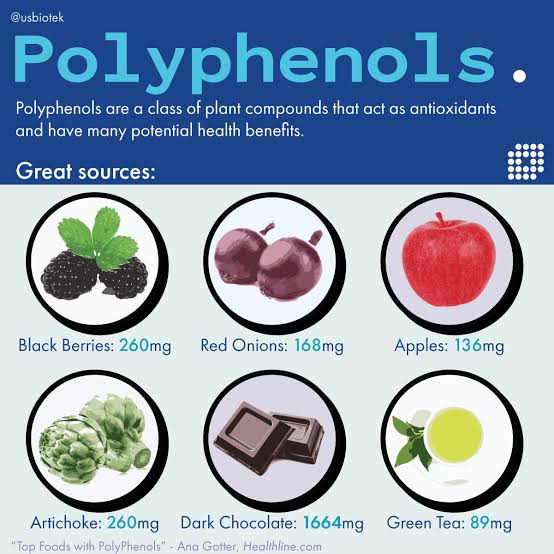
| Easy option | Notable polyphenols | What they may support |
|---|---|---|
| Blueberries or blackberries | Anthocyanins | Blood-vessel function and possibly memory and attention |
| Apples with the peel | Quercetin and catechins | Cardiometabolic health and microbial diversity |
| Cherries | Anthocyanins | Vascular health and normal inflammatory responses |
| Oranges or grapefruit | Flavanones such as hesperidin | Circulation and blood-vessel function |
| Coffee | Chlorogenic acids | A major everyday source of dietary polyphenols; observational research links moderate intake with several health benefits |
| Green or black tea | Catechins and theaflavins | Vascular function and alertness; tea’s caffeine also contributes |
| Extra-virgin olive oil | Hydroxytyrosol and related phenols | Heart health as part of a Mediterranean-style diet |
| Dark chocolate or cocoa | Cocoa flavanols | Blood flow and, in some studies, aspects of mood or cognition |
| Walnuts | Ellagitannins | Cardiometabolic health and gut-microbial metabolites |
| Red or purple onions | Quercetin | An easy polyphenol boost in ordinary meals |
These foods do not need to be exotic or expensive. Frozen berries retain useful plant compounds, tea bags count, and a spoonful of cocoa in oatmeal is more practical than a specialty supplement.
What About Mood and Mental Health?
The brain is not separated from the rest of the body. Blood flow, sleep, inflammation, glucose regulation, and communication between the gut and brain can all influence how mentally sharp or emotionally steady we feel.
Polyphenols may affect several of these pathways. Research on flavonoids has reported possible benefits for depressive symptoms, anxiety, mood, and certain areas of cognition. But the human evidence is still mixed: studies use different foods, extracts, doses, populations, and outcome measures.
So blueberries are not an antidepressant, and cocoa is not anxiety treatment. A polyphenol-rich diet may support the biological conditions that help the brain function well, but it should complement—not replace—appropriate mental-health care.
Five Easy Ways to Increase Polyphenols
1. Add one dark color to breakfast
Keep frozen blueberries, blackberries, or cherries available. Add half a cup to yogurt, oatmeal, or a smoothie. Frozen fruit removes the pressure to eat it before it spoils.
2. Turn your regular drink into a plant-food opportunity
Coffee and tea are legitimate polyphenol sources. Enjoy them without turning them into liquid dessert. If caffeine affects your sleep or anxiety, choose decaffeinated coffee or herbal options such as peppermint tea.
3. Use extra-virgin olive oil where you can taste it
Drizzle it over vegetables, beans, soup, or whole-grain toast. Polyphenol levels vary between oils, but freshness, a dark bottle, and a peppery or slightly bitter flavor can be useful quality clues.
4. Replace one refined snack
Try an apple with walnuts, berries with plain yogurt, or a small amount of dark chocolate with fruit. The improvement comes from the complete snack—fiber, fats, minerals, and polyphenols—not from chocolate alone.
5. Keep a weekly color score
Instead of counting milligrams, count colors. Over seven days, aim to eat something naturally red, orange, yellow, green, blue or purple, and white or tan. Onions, herbs, beans, nuts, cocoa, tea, and coffee count alongside fruits and vegetables.
What Not to Do
Do not assume more is always better. Concentrated green-tea extracts and other high-dose supplements can behave differently from food and may cause side effects or interact with medications. “Antioxidant” on a label is not evidence of a meaningful benefit.
Start today with one small upgrade: add berries to breakfast, choose an apple instead of crackers, or dress dinner with olive oil and herbs. The goal is not a perfect superfood. It is giving your body—and the microbes living with you—a wider range of plants to work with.
Healthy eating works best when it feels enjoyable rather than medicinal. And when stress is making healthy routines harder to maintain, a restorative massage at Massage Therapy Center in Palo Alto can offer a quiet place to reset.