
The “Healthy” Foods Quietly Flooding Us With Sugar
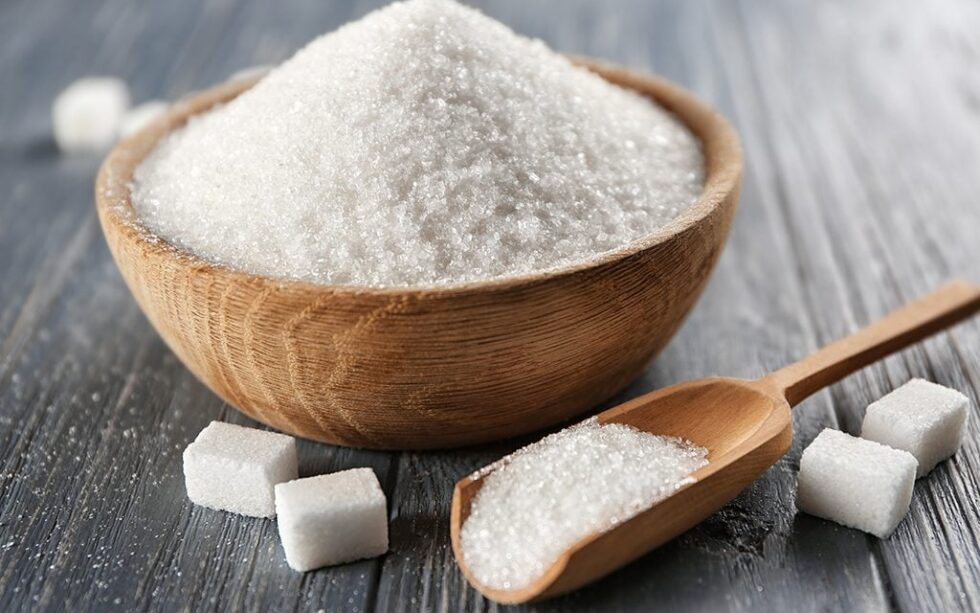
You skipped the soda.
You bought the “heart healthy” cereal.
You picked the granola with oats, nuts, and a nature-themed package.
But you may still be eating more added sugar than you realize — before lunchtime.
Many foods marketed as “healthy” are loaded with hidden sugar. And over time, excess added sugar doesn’t just affect weight. It may accelerate inflammation, skin aging, energy crashes, metabolic disease, and even how old we feel.
The Hidden Sugar Problem
Most people can spot obvious sugar bombs like candy or soda. The real issue today is the stealth sugar hiding inside foods we think are nutritious.
A few surprising examples:
- Some popular honey oat cereals contain around 12–15 grams of added sugar per serving
- Many “healthy” granolas contain 10–20 grams of added sugar
- Flavored yogurts can contain as much sugar as dessert
- Protein bars often resemble candy bars nutritionally
- Smoothies and bottled juices may contain multiple servings of fruit sugar in minutes
- Store-bought coffee drinks can contain more sugar than soda
And serving sizes are often unrealistically small. A “healthy” bowl of cereal can easily become two servings.
The result? Many people consume large amounts of sugar all day long without realizing it.
Popular “Healthy” Foods and Their Hidden Added Sugar
Approximate values per labeled serving size. Formulas may change, so always check current nutrition labels.
| Product | Typical Serving Size | Added Sugar |
|---|---|---|
| Honey Nut Cheerios | 1 cup | ~12 g |
| Nature Valley Granola Protein | 2/3 cup | ~11 g |
| Bear Naked Granola | 1/2 cup | ~10–13 g |
| Purely Elizabeth Granola | 1/3 cup | ~5–7 g |
| Yoplait Original | 1 container | ~13 g |
| Activia Vanilla Yogurt | 1 container | ~12 g |
| Chobani Flip | 1 container | ~11–15 g |
| Clif Bar | 1 bar | ~17 g |
| KIND Bars | 1 bar | ~4–8 g |
| Starbucks Frappuccino | 1 bottle | ~30+ g |
| Gatorade | 20 oz bottle | ~34 g |
| Vitaminwater | 1 bottle | ~26–32 g |
| Quaker Instant Oatmeal Maple & Brown Sugar | 1 packet | ~12 g |
| Special K Protein Cereal | 1 serving | ~9 g |
| Raisin Bran | 1 cup | ~9 g |
A few things stand out:
- Granola is often one of the biggest hidden sugar traps because people assume oats = healthy.
- Yogurt marketed as healthy can contain multiple teaspoons of added sugar.
- Juice may have no added sugar but still flood the body with rapidly absorbed sugar because the fiber is removed.
- One sweet coffee drink alone can exceed an entire day’s recommended added sugar intake.
Why Added Sugar Is Different
Not all sugar behaves the same way.
Naturally occurring sugar in whole fruit comes packaged with fiber, water, vitamins, and antioxidants. Your body absorbs it more slowly.
Added sugar, however, is concentrated and rapidly absorbed — especially in processed foods stripped of fiber.
This creates repeated spikes in blood sugar and insulin throughout the day.
Over time, that can contribute to:
- Chronic inflammation
- Insulin resistance
- Fatigue and energy crashes
- Increased visceral fat
- Higher risk of type 2 diabetes
- Cardiovascular disease
- Fatty liver disease
- Acne and skin aging
- Increased hunger and cravings
Sugar and Accelerated Aging
One of the lesser-known effects of excess sugar is its connection to aging.
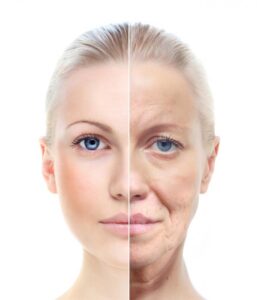
High sugar intake contributes to a process called glycation, where sugar molecules attach to proteins like collagen and elastin.
These proteins help keep skin firm and elastic.
Over time, glycation may contribute to:
- Wrinkles
- Sagging skin
- Loss of elasticity
- Dull complexion
Excess sugar may also worsen inflammation and oxidative stress throughout the body, which researchers increasingly associate with biological aging.
In other words: sugar doesn’t just affect the scale. It may affect how quickly the body wears down internally and externally.
Why Sugar Is So Hard to Cut Back
Sugar is everywhere because it makes processed food:
- More addictive
- More shelf stable
- More craveable
- More profitable
It also hides under dozens of names:
- Cane juice
- Brown rice syrup
- Maltodextrin
- Corn syrup
- Agave nectar
- Dextrose
- Fructose
- Barley malt
- Evaporated cane sugar
Even foods labeled:
- “Organic”
- “Natural”
- “Gluten free”
- “Low fat”
- “Whole grain”
…can still contain large amounts of added sugar.
How to Cut Back on Sugar — Without Misery
The good news: you do not need to become extreme or eliminate every dessert.
Small changes can dramatically reduce sugar intake while still feeling enjoyable and sustainable.
1. Start With Breakfast
Breakfast is often the biggest hidden sugar trap.
Instead of:
- Sugary cereal
- Sweetened granola
- Flavored yogurt
Try:
- Eggs
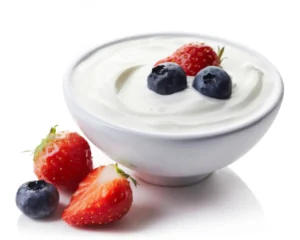
- Plain Greek yogurt with berries
- Oatmeal with nuts and cinnamon
- Lower-sugar cereal options
- Chia pudding
Reducing the morning sugar spike often reduces cravings for the rest of the day.
2. Read the “Added Sugar” Line
Nutrition labels now separate:
- Total sugar
- Added sugar
This is one of the easiest ways to compare products quickly.
Two granolas may look equally healthy — but one may contain triple the added sugar.
3. Don’t Drink Your Sugar
Liquid sugar is especially easy to overconsume.
Watch out for:
- Juice
- Sweet coffee drinks
- Sports drinks
- Sweetened teas
- Energy drinks
Try:
- Sparkling water
- Unsweetened tea
- Coffee with less syrup
- Infused water with lemon or fruit slices
4. Reduce Gradually
Your taste buds adapt surprisingly fast.
If you suddenly eliminate all sugar, it may feel miserable and unsustainable.
Instead:
- Use half the sweetener
- Buy less-sweet versions
- Mix sweetened cereal with unsweetened cereal
- Slowly reduce flavored creamers or syrups
After a few weeks, many overly sweet foods start tasting artificial.
5. Eat More Protein and Fiber
Protein and fiber help stabilize blood sugar and reduce cravings.
Helpful foods include:
- Eggs
- Beans
- Nuts
- Greek yogurt
- Vegetables
- Lean meats
- Seeds
When meals are balanced, the constant hunt for snacks often decreases naturally.
6. Keep Dessert — But Make It Intentional
A sustainable lifestyle usually works better than perfection.
Instead of mindless sugar throughout the day:
- Enjoy dessert intentionally
- Choose quality over quantity
- Eat sweets slowly and socially
- Avoid turning every snack into dessert
The Goal Isn’t Perfection
Sugar itself is not evil.
The real problem is that modern processed foods quietly push sugar into nearly every meal, often disguised as “healthy.”
Most people don’t need a detox.
They need awareness.
Reducing hidden added sugar can improve:
- Energy
- Skin
- Sleep
- Mood
- Weight control
- Long-term health
And often, the biggest gains come not from dramatic dieting — but from simply noticing what’s really inside the foods we eat every day.