Should I be worried about heart attacks?
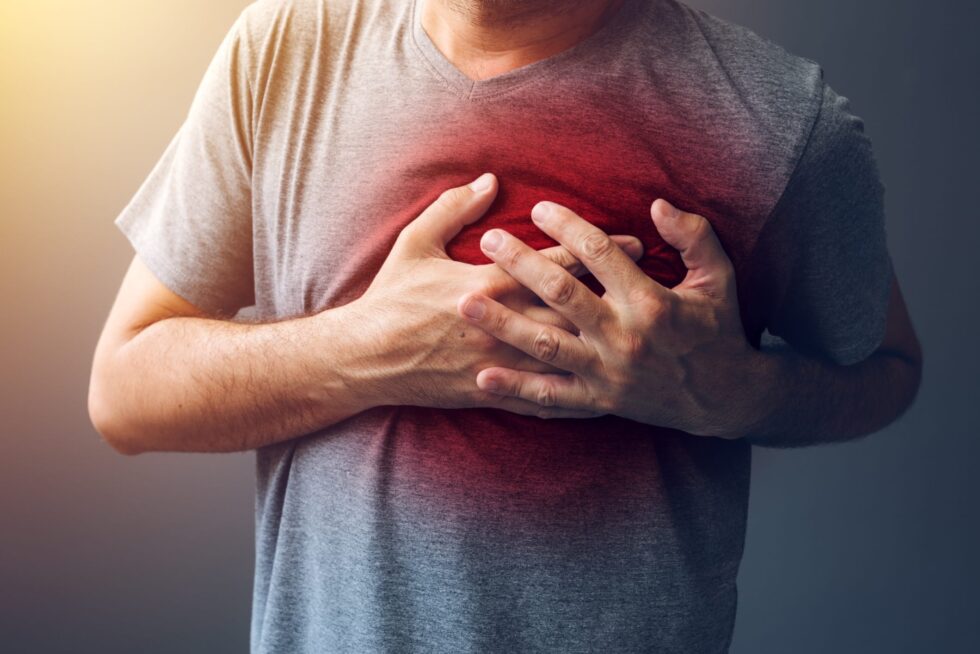
When most people think about staying healthy, they think about eating better, exercising more, or losing weight. But your body has one organ that’s working harder than all the others—and it never gets a break.
Your heart beats about 100,000 times every day, pumping oxygen-rich blood through more than 60,000 miles of blood vessels. It keeps going while you’re working, sleeping, exercising, and even while you’re relaxing during a massage.
Unfortunately, many of us don’t pay much attention to it until something goes wrong.
Heart Disease Is Still the #1 Killer
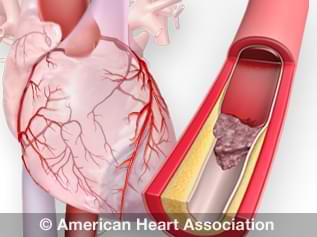
Heart disease remains the leading cause of death worldwide. For adults over 50, heart disease and stroke become some of the biggest health concerns. Why does the risk rise after age 50? Aging itself causes gradual wear and tear on the cardiovascular system. Over the decades, cholesterol plaques can slowly build up inside the arteries, making them narrower and less flexible—a process called atherosclerosis. At the same time, blood vessels become stiffer, blood pressure tends to increase, and the heart must work harder to pump blood. Men often experience this rise in risk during their 50s, while women typically gain about a decade of protection from estrogen before their risk climbs after menopause. By age 50 and beyond, these changes have often accumulated enough that heart attacks and strokes become much more common—but the good news is that regular exercise, a healthy diet, quality sleep, and controlling blood pressure and cholesterol can slow this process dramatically.
Heart Disease Runs in My Family. Am I Doomed?
This is one of the most common questions cardiologists hear.
The answer is reassuring: No.
While you can’t change your family history, you can change many of the factors that determine whether those genes become your destiny.
If heart disease runs in your family, consider:
- Scheduling an annual physical.
- Knowing your blood pressure, cholesterol, blood sugar, and weight.
- Talking with your physician about whether additional screening—such as a coronary artery calcium (CAC) scan—is appropriate for you.
- Exercising regularly and maintaining a heart-healthy diet.
Family history should motivate prevention—not create hopelessness.
What Your Heart Wants Most
The good news is that your heart responds remarkably well to healthy habits.
Move Every Day
Your heart is a muscle. Like every muscle, it becomes stronger with regular use.
Current guidelines recommend at least:
- 150 minutes of moderate exercise each week, or
- 75 minutes of vigorous exercise.
Walking, swimming, cycling, dancing, and strength training all count.
Even a brisk 30-minute walk most days of the week can significantly reduce cardiovascular risk.
Eat More Plants—and Less Red Meat
Nutrition research has evolved, but one message has remained consistent: eating more plant-based foods benefits heart health.
Frequent consumption of red meat has been associated with higher levels of TMAO (trimethylamine N-oxide), a compound produced by gut bacteria that has been linked to cardiovascular disease.
The encouraging part is that TMAO levels can begin to decrease within weeks after reducing red meat intake.
Try simple changes like:
- Having one meat-free day each week.
- Choosing beans, lentils, fish, or tofu more often.
- Filling half your plate with vegetables.
Small changes are often easier to maintain than dramatic diets.
Watch the Salt You Don’t See
Most people don’t get too much sodium from the salt shaker.
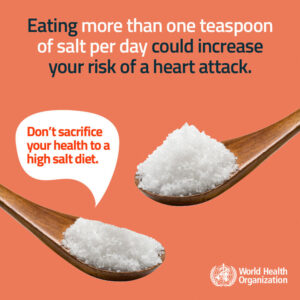
Instead, it comes from processed foods like:
- Bread
- Deli meats
- Cheese
- Frozen meals
- Restaurant food
The average American consumes far more sodium than recommended, which can contribute to high blood pressure.
A simple strategy is to eat more fresh fruits and vegetables. They’re naturally rich in potassium, which helps balance sodium’s effects and supports healthy blood pressure.
Stress Affects More Than Your Mood
Stress doesn’t just live in your mind—it affects your heart.
Chronic stress activates parts of the brain involved in the body’s “fight-or-flight” response, increasing stress hormones and inflammation. Over time, this may contribute to damage inside blood vessels.
If watching the news leaves you anxious, angry, or emotionally drained, it may be worth limiting your exposure and replacing some screen time with activities that genuinely help you unwind.
Sleep Is Heart Medicine
After menopause, women experience a significant increase in cardiovascular risk.
One often-overlooked factor is sleep.
Consistently sleeping less than six hours per night has been associated with an increased risk of heart disease.
Good sleep isn’t a luxury—it’s part of preventive healthcare.
Is Whole Milk Really Bad?
Nutrition science continues to evolve.
While low-fat dairy was once routinely recommended, several large studies have found that moderate consumption of whole-fat dairy is not necessarily associated with worse cardiovascular outcomes, and some research has even linked it with lower rates of heart disease and stroke.
The bigger picture matters more than any single food. An overall diet rich in minimally processed foods, vegetables, fruits, whole grains, and healthy protein sources has the strongest evidence for supporting heart health.
Short of Breath Climbing Stairs?
Occasional breathlessness during strenuous activity often reflects deconditioning rather than heart disease.
However, if you notice:
- Chest pain
- Shortness of breath during routine daily activities
- Dizziness
- Fainting
- Unexplained fatigue
- Symptoms that are worsening over time
it’s important to seek medical evaluation promptly.
Your Heart Is Working for You Every Second
Your heart has never taken a vacation.
It has faithfully pumped blood through your body every minute of your life—whether you noticed it or not.
The choices you make today—moving a little more, eating a little better, sleeping a little longer, and finding healthier ways to manage stress—can help ensure it keeps beating strongly for decades to come.