
My Parents’ Blood Test Was a Wake-Up Call: What High Cholesterol and Triglycerides Really Mean
Earlier this week, I took my elderly parents (aged 74 and 75) to their doctor to review the results of their blood lab work. After looking through the lab report, the doctor pointed to several highlighted values and explained that both my parents had elevated cholesterol and triglycerides. She talked about how those numbers affect the risk of heart disease and stroke, entered a few values into a calculator, and estimated that my mom had roughly a 13% chance of experiencing a cardiovascular event within the next decade (actually considered “moderate risk”), while my dad’s risk was closer to 22% (“high risk”). She recommended that both of them start taking a statin, make some dietary changes, stay active, and return for follow-up testing.
As we drove home, the appointment stayed on my mind. Like many adult children, I’ve gradually watched my parents transition from being the ones taking care of me to the ones who need a little more help themselves. Every doctor’s appointment reminds me that they’re getting older. But this visit also made me think about something else: Will I eventually hear the same words from my own doctor? Is high cholesterol simply part of getting older, or is it something we can actually prevent?
Cholesterol and Triglycerides: Similar, But Not the Same
Before this week, I had always heard the words “cholesterol” and “triglycerides” mentioned together, almost as if they were the same thing. They’re related, but they actually play different roles in our bodies.
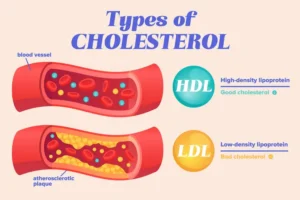
Cholesterol is a waxy substance that our bodies need to survive. It helps build cells, produce hormones, and make vitamin D. Most of it is made by the liver, while the rest comes from the foods we eat. When doctors review cholesterol, they’re usually looking at three different numbers:
- LDL (“bad”) cholesterol, which can accumulate inside artery walls.
- HDL (“good”) cholesterol, which helps carry excess cholesterol away.
- Total cholesterol, which combines several different types.
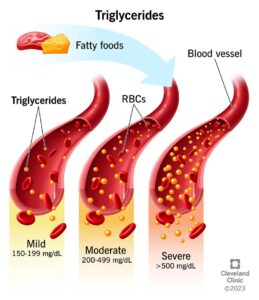
Triglycerides are different. They are the body’s way of storing extra energy. Whenever we consume more calories than we immediately use—particularly from sugary foods, refined carbohydrates, or excess alcohol—the body converts that extra energy into triglycerides for storage. Having some triglycerides is perfectly normal. The problem comes when those levels remain elevated year after year.
I Was Surprised by How Common It Is
As I continued reading, one statistic after another made me realize that my parents are far from unusual. High cholesterol is incredibly common, especially as people get older. In the United States, nearly 2 in 5 adults have high cholesterol, and many don’t even know it. Triglycerides also tend to increase with age, particularly when physical activity decreases and metabolism slows, with about one in four adults having elevated levels.
That doesn’t mean aging automatically causes unhealthy cholesterol. Rather, it reflects decades of accumulated habits. The meals we eat, how often we exercise, whether we smoke, how much alcohol we drink, and even how well we sleep all influence these numbers over time. Add a family history of heart disease or diabetes, and the odds increase further.
Several factors can contribute:
- Family history
- Diabetes or prediabetes
- High blood pressure
- Excess body weight
- Smoking
- Heavy alcohol use
- Diets high in saturated fat or added sugar
- Physical inactivity
Reading this actually reassured me a little. Yes, genetics matter. But genetics aren’t the whole story. Many of these risk factors are things we can improve long before they become serious health problems.
Why Doctors Take These Numbers So Seriously
What worried me most wasn’t seeing a few numbers highlighted in red on my parents’ lab report. It was learning what those numbers represent.
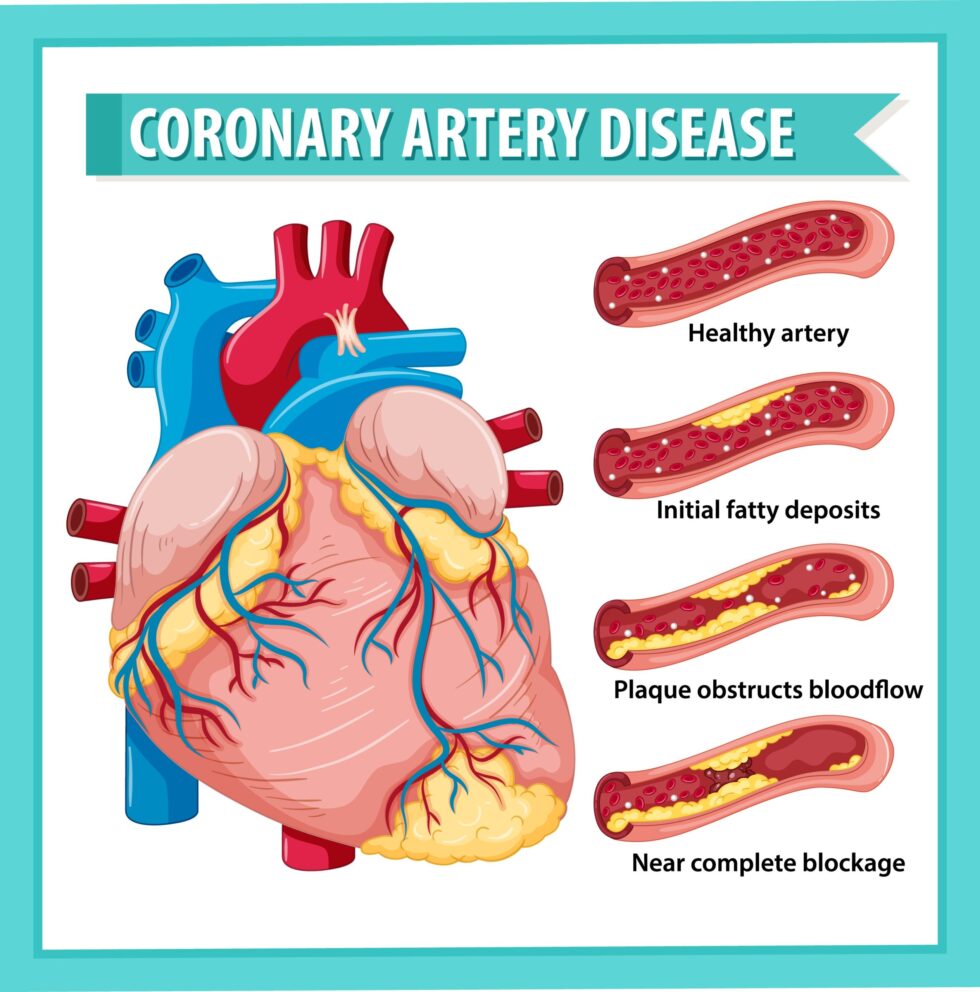
High cholesterol usually doesn’t cause pain. It doesn’t make you feel tired or sick. In fact, many people feel perfectly healthy while cholesterol is quietly building up inside their arteries over decades. LDL cholesterol can slowly settle into the artery walls, where it forms fatty plaques. As those plaques grow, the arteries become narrower and less flexible, making it harder for blood to flow.
Most of the time, this process happens silently. Then one day, a plaque ruptures, a blood clot forms, and suddenly someone experiences a heart attack or stroke that seems to come out of nowhere. In the United States, the risk rises sharply with age—about 70% of heart attacks and strokes occur in adults over the age of 50. The event feels sudden, but the disease has often been developing for twenty or thirty years.
Triglycerides bring their own concerns. Extremely high levels can lead to pancreatitis, a painful inflammation of the pancreas. More commonly, elevated triglycerides tend to occur alongside obesity, fatty liver disease, insulin resistance, and type 2 diabetes. Together, these conditions significantly increase the risk of cardiovascular disease.
That’s why doctors focus so much on prevention. It’s much easier to lower cholesterol today than to repair damaged arteries years later.
Will I Eventually Have the Same Problem?
This was probably the question that lingered with me the longest.
When we watch our parents age, it’s hard not to wonder whether we’re looking into our own future. If both of my parents have high cholesterol, does that mean it’s only a matter of time before I do too?
The answer appears to be somewhere in the middle.
Genes certainly influence how our bodies process fats. Some families naturally produce higher cholesterol, even when they eat reasonably well. But decades of research also show that lifestyle has tremendous influence. Regular exercise, maintaining a healthy weight, eating more fiber, limiting saturated fat, avoiding smoking, and controlling blood sugar can all improve cholesterol levels—even for people with a strong family history.
That was actually encouraging. I can’t change the genes I inherited, but I can influence many of the habits that determine how those genes are expressed over time.
Healthy Living Is Built One Day at a Time
One thing I noticed while reading medical advice is that none of it was particularly complicated. There wasn’t a miracle food or a secret supplement that solved everything. Instead, nearly every recommendation came back to the same basic lifestyle habits that doctors have been talking about for years.
They’re not exciting, but they’re remarkably effective when practiced consistently.
Eat more heart-friendly foods
Try to build meals around:
- Vegetables and fruits
- Whole grains
- Beans and legumes
- Nuts
- Fish rich in omega-3 fatty acids
- Olive oil instead of butter
Limit:
- Sugary drinks
- Processed snacks
- Fried foods
- Fatty processed meats
- Red meat (especially fatty cuts)
- Foods high in saturated and trans fats
- Excess alcohol
- Desserts and refined carbohydrates
Stay physically active
Aim for at least 150 minutes of moderate exercise each week.
Good options include:
- Walking
- Cycling
- Swimming
- Dancing
- Gardening
- Hiking
Regular activity can lower triglycerides, improve HDL cholesterol, help control weight, and reduce blood pressure—all at the same time.
Maintain a healthy weight
Even losing 5–10% of body weight, if you’re overweight, can make a meaningful difference in cholesterol and triglyceride levels.
Prioritize sleep and manage stress
Poor sleep and chronic stress often lead to unhealthy eating habits, weight gain, and inactivity. Protecting your sleep may indirectly benefit your heart more than many people realize.
Know your numbers
Perhaps the biggest lesson from my parents’ appointment is that you can’t manage what you don’t measure.
High cholesterol rarely causes symptoms. The only way to know where you stand is through routine blood tests and regular checkups with your healthcare provider.
A Different Way to Think About Aging
Driving my parents home after that appointment, I realized the visit wasn’t really about cholesterol. It was about aging, family, and the quiet reminder that none of us stay young forever.
Watching our parents grow older naturally makes us think about our own future. We begin noticing the choices they made, the habits they developed, and the health challenges they now face. Sometimes those observations can be unsettling, but they can also be incredibly motivating. Their experiences give us an opportunity to make changes while we still have decades ahead of us.
My parents’ blood test ended up becoming much more than a discussion about cholesterol and triglycerides. It reminded me that heart disease usually isn’t caused by one unhealthy meal or one missed workout. It’s the result of thousands of small decisions accumulated over many years. Fortunately, the opposite is also true. Better health isn’t built overnight either. It’s built one walk, one healthy meal, one good night’s sleep, and one annual checkup at a time.
If there’s one lesson I took away from this week’s appointment, it’s this: getting older may be inevitable, but how we age is influenced by the choices we make every single day.