
Microplastics: The Hidden Toxin in Everyday Life — and How to Protect Your Body
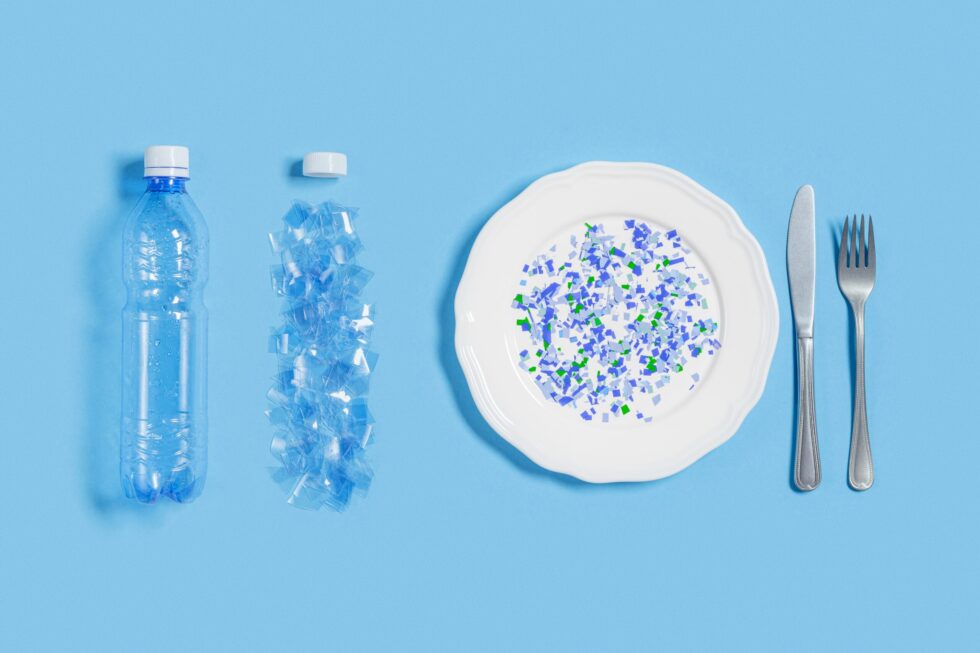
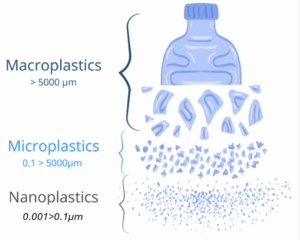
Plastic has made modern life easier — but at an invisible cost. Over the past decade, scientists have discovered microplastics — tiny plastic fragments less than 5 mm wide — in the air we breathe, the water we drink, and even in human blood and organs. These nearly indestructible particles are now part of our internal and external environments, raising growing concern about their long-term impact on health.
What Are Microplastics?
Microplastics come from two main sources:
- Primary microplastics — small plastics intentionally made for industrial or cosmetic use, like microbeads once found in scrubs or toothpaste.
- Secondary microplastics — fragments from larger plastic products that degrade over time (bottles, packaging, synthetic clothing fibers).
They’re not just floating in the ocean; studies have found them in bottled water, salt, fruits, vegetables, and even household dust. Once they enter the body, microplastics can move through tissues, interact with cells, and potentially accumulate in organs.
How Microplastics May Affect Health
While research is still emerging, evidence suggests that microplastics can:
- Carry toxic chemicals such as BPA, phthalates, and heavy metals.
- Trigger inflammation and oxidative stress, damaging cells and tissues.
- Disrupt the gut microbiome and hormonal balance.
- Accumulate in the bloodstream, lungs, liver, and lymphatic system.
Scientists are still determining what levels are harmful, but early findings indicate that chronic exposure may contribute to systemic inflammation, immune stress, and metabolic disorders.
How to Reduce Your Exposure
While we can’t avoid microplastics completely, we can make daily choices to dramatically reduce our exposure.
1. Filter Your Water
Install a carbon block or reverse-osmosis filter certified to remove microplastics. Studies show bottled water can contain far higher plastic levels than tap, so choose filtered tap water whenever possible.
2. Avoid Plastic Packaging
- Store and reheat food in glass, stainless steel, or silicone.
- Avoid microwaving food in plastic containers or wrap.
- Choose plastic-free tea bags and avoid single-serve coffee pods.
3. Wear Natural Fabrics
Synthetic fibers like polyester, nylon, and acrylic shed microplastics every time they’re washed. Opt for natural materials like organic cotton, hemp, linen, and bamboo, and use laundry filters such as a Guppyfriend bag.
4. Choose Whole, Unprocessed Foods
Microplastics are more common in highly processed and packaged foods. Buy fresh ingredients, cook at home, and store in non-plastic containers.
5. Keep Your Indoor Air Clean
Dust regularly — household dust is a surprisingly common source of airborne microplastics. Use a vacuum with a HEPA filter and consider an air purifier in high-traffic areas.
Supporting Your Body’s Detox Pathways Naturally
There’s no proven way yet to “flush out” microplastics from the body, but you can support the organs and systems that naturally filter and eliminate waste — your liver, kidneys, gut, skin, and lymphatic system.
1. Hydration & Fiber
Drink plenty of water and eat fiber-rich foods such as leafy greens, flaxseed, oats, and beans to support gut motility and toxin elimination.
2. Nutrient-Rich, Anti-Inflammatory Foods
Include cruciferous vegetables (broccoli, kale, cabbage), berries, and antioxidant-rich herbs like turmeric and green tea. These nourish the liver and reduce oxidative stress caused by environmental toxins.
3. Movement & Sweat
Exercise promotes circulation and supports lymph flow, while sweating — through workouts or sauna sessions — helps your body release certain compounds through the skin.
4. Rest & Stress Management
Adequate sleep and relaxation help regulate hormones and maintain immune balance, which are essential for healthy detoxification.
5. Gentle Body Therapies
Holistic treatments such as lymphatic massage, infrared sauna, dry brushing, and deep breathing exercises can complement your wellness routine by encouraging healthy circulation and fluid movement. While there’s no direct evidence that these techniques remove microplastics, they can help your body maintain balance and resilience.
The Bottom Line
Microplastics are a modern reality — but awareness and mindful habits can significantly lower your exposure and help your body stay strong. Focus on reduction, nourishment, movement, and recovery rather than “quick detox fixes.” Your liver, kidneys, gut, and skin are already powerful detox systems — they just need support, not miracles.
Small shifts, such as using fewer plastics, drinking clean water, and practicing whole-body wellness, can make a meaningful difference for your long-term health.