
How to Prevent Falls—and How to Fall Safely
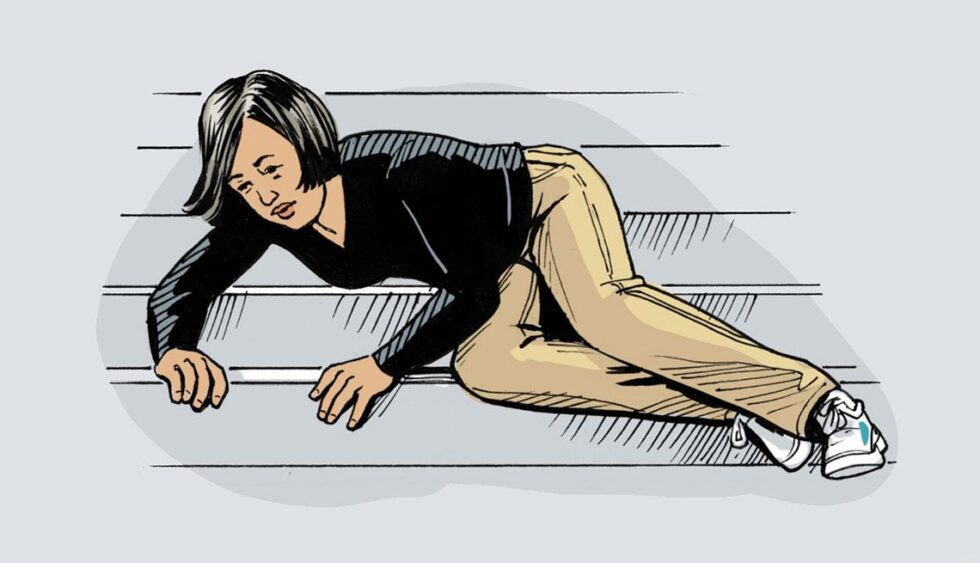
A fall isn’t just a moment—it can lead to fractures, chronic pain, or loss of confidence. But the good news is: balance, strength, and awareness are trainable.
How to Prevent Falls
1. Build Balance (Your First Line of Defense)


Balance declines quietly over time—but you can improve it quickly with simple habits:
- Stand on one leg while brushing teeth
- Practice heel-to-toe walking (like walking on a line)
- Try slow, controlled movements like Tai Chi
👉 Even 2–3 minutes a day can significantly improve stability.
2. Strengthen the Right Muscles


Weak legs and core = unstable body.
Focus on:
- Squats (for legs)
- Glute bridges (for hips)
- Core work (for stability)
👉 Strong hips and legs help you catch yourself before you fall.
3. Improve Flexibility & Mobility


Stiff joints limit your ability to react.
Key areas:
- Ankles (critical for balance corrections)
- Hips (for stepping quickly)
- Hamstrings (for stride control)
👉 Flexibility gives your body more options in a split second.
4. Fix Your Environment (Most Falls Start Here)

Many falls are avoidable with simple changes:
- Remove loose rugs and clutter
- Improve lighting (especially at night)
- Install grab bars in bathrooms
- Wear proper, non-slip footwear
👉 This is the fastest, highest-impact fix.
5. Train Your Awareness
Falling often happens when:
- You’re distracted (phone, rushing)
- You change direction quickly
- You step onto uneven surfaces
Train yourself to:
- Slow down during transitions (standing up, turning)
- Look ahead when walking
- Stay mindful in unfamiliar environments
If You Do Fall — How to Minimize Injury
Even with perfect prevention, falls can still happen. The goal is to reduce impact, not fight gravity.
1. Don’t Fight the Fall—Go With It
Instinct says “stiffen up”—but that increases injury.
Instead:
- Bend your joints
- Try to roll rather than land flat
- Let your body absorb the motion
👉 Think: “soft and round,” not “stiff and straight.”
2. Protect Your Head
Your head is the priority.
- Tuck your chin slightly
- Avoid reaching backward with your head
- If possible, turn to the side
3. Avoid Catching Yourself With Straight Arms

This is one of the biggest causes of fractures.
Instead:
- Keep elbows slightly bent
- Use your forearms and larger body areas to absorb impact
👉 Wrists break easily—your hips and thighs are stronger.
4. Aim for Bigger, Softer Areas
Try to land on:
- Side of the hip (not directly on the joint)
- Thigh or buttocks
- Side of the body
Avoid:
- Direct hip impact
- Head
- Elbows or wrists
5. After the Fall: Pause First
Don’t rush to get up.
- Take a breath
- Check for pain or dizziness
- Roll to your side, then push up slowly
👉 Many injuries worsen because people panic and move too fast.
“Falls aren’t just about aging—they’re about strength, balance, and awareness. The good news is, all of those can be trained. And even if a fall happens, how your body moves can protect you.”
How Massage Helps
Massage can:
- Improve proprioception (body awareness)
- Reduce muscle stiffness
- Increase joint mobility
- Help clients feel more connected to their bodies
Bottom Line
- Prevent falls by training balance, strength, and awareness
- Modify your environment—it’s low effort, high impact
- If you fall: stay soft, protect your head, and avoid stiff reactions