
How Fiber Helps Support a Healthy Gut Microbiome
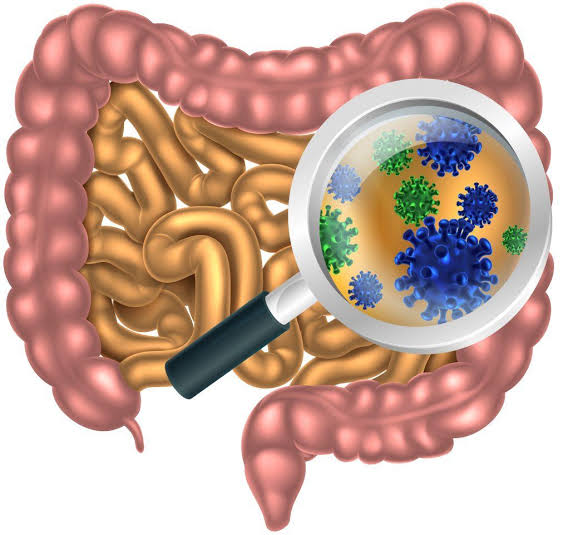
If your digestion feels sluggish, your meals may be missing something surprisingly unglamorous: fiber.
The problem is not that people have never heard of fiber. It is that modern meals make it easy to eat too little of it. A breakfast pastry, a turkey sandwich on white bread, and takeout for dinner can provide plenty of calories while leaving very little for the microbes living in your digestive tract.
That “fiber gap” can show up in ordinary ways, including harder stools and less regular bowel movements. Over the long term, low-fiber eating patterns may matter for more serious reasons too. The good news is that improving your fiber intake does not require a cleanse, an expensive powder, or a refrigerator full of unfamiliar foods.
Your gut microbes eat what you cannot digest
Fiber is a family of carbohydrates found in plant foods. Unlike sugars and starches, much of it is not fully digested in the small intestine. Some fibers travel on to the colon, where certain gut microbes can ferment them.
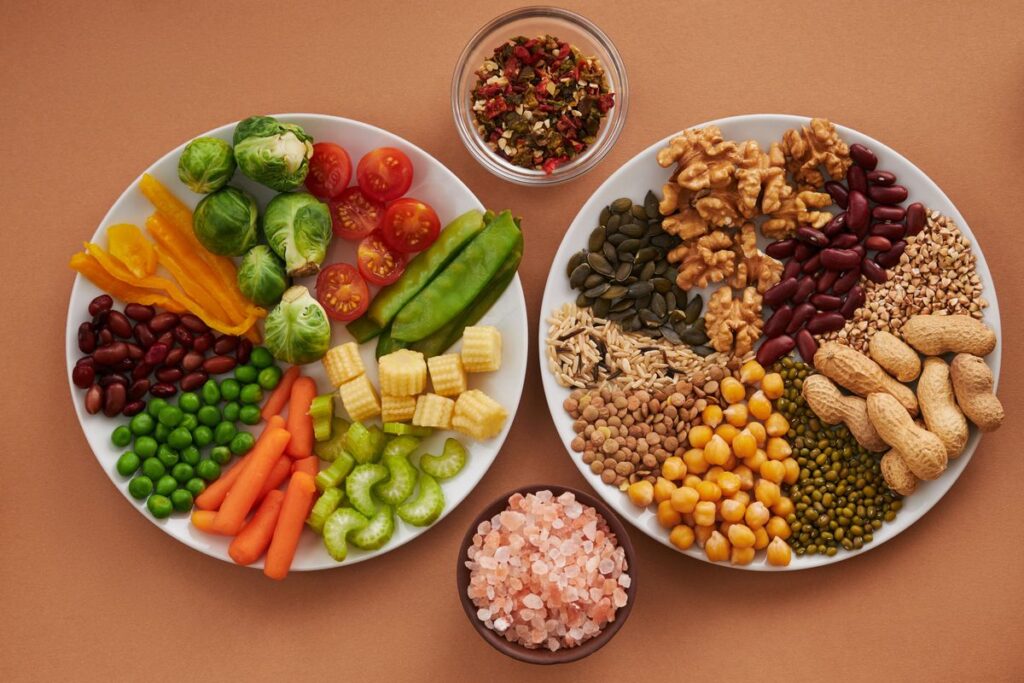
During that process, microbes produce compounds called short-chain fatty acids. Researchers are still learning exactly how different fibers, microbes, and people interact, but one lesson is already useful: variety matters. Oats, beans, berries, lentils, vegetables, nuts, and whole grains do not all contain the same fibers. Feeding your gut is less about finding one miracle ingredient and more about giving it a wider menu.
The numbers make the fiber gap easier to see
Federal dietary guidance uses a target of about 14 grams of fiber for every 1,000 calories. That works out to roughly 28 grams in a 2,000-calorie eating pattern, although individual needs vary.
Fiber is not only about bathroom comfort. A large analysis of 25 prospective studies found that every additional 10 grams of daily fiber was associated with about a 10% lower risk of colorectal cancer. “Associated” is important: the research does not prove that adding exactly 10 grams will prevent cancer for an individual. It does show why fiber deserves more attention than a bottle of supplements at the back of the cabinet.
Different fibers can also affect the microbiome differently. An NIH-funded study found that responses to purified fiber supplements varied by fiber type and by person. That is another reason to favor a varied collection of foods instead of expecting one powder to do everything.
Ten delicious foods that make fiber easier
You do not need to memorize nutrition charts. Use this as a quick menu of satisfying options. Fiber amounts are approximate and can vary by variety and preparation.
| Food | Serving | Approx. fiber | Easy way to enjoy it |
|---|---|---|---|
| Lentils, cooked | 1/2 cup | 7.8 g | Add to soup or a grain bowl |
| Black beans, cooked | 1/2 cup | 7.5 g | Use in tacos or with rice |
| Artichoke, cooked | 1 medium | 6.5 g | Dip the leaves in lemony yogurt |
| Chickpeas, cooked | 1/2 cup | 6.2 g | Roast until crisp or add to salad |
| Sweet potato, cooked | 1 medium | 3.9 g | Top with cinnamon or tahini |
| Blackberries | 1/2 cup | 3.8 g | Spoon over yogurt or oatmeal |
| Baked potato with skin | 1 medium | 3.8 g | Top with beans and salsa |
| Dried figs | 1/4 cup | 3.7 g | Pair with walnuts for a snack |
| Pumpkin, canned | 1/2 cup | 3.6 g | Stir into oatmeal or soup |
| Almonds | 1 ounce | 3.3 g | Keep a small handful nearby |
Five changes that make a real difference
- Put beans or lentils into one meal each day. Add chickpeas to a salad, stir lentils into soup, or include black beans in a grain bowl. You do not need a special “gut health” recipe.
- Upgrade breakfast. Oatmeal with berries and nuts offers more fiber variety than a pastry or refined cereal. If mornings are rushed, prepare overnight oats or keep fruit where you can see it.
- Choose the whole-grain version you actually enjoy. Try whole-grain bread, brown rice, barley, or whole-wheat pasta. Read the ingredient list rather than relying only on brown coloring or a “multigrain” label.
- Add produce instead of redesigning the meal. Put frozen vegetables into pasta, add an apple to lunch, or serve carrots and hummus beside a sandwich. Adding is often easier than following a restrictive plan.
- Increase slowly and drink enough fluid. A sudden fiber jump can bring gas or bloating. Add one change at a time, give your body time to adjust, and keep water in the picture.
What not to do
Do not turn fiber into a contest. More is not automatically better, especially if you increase it abruptly. If you have persistent digestive symptoms, inflammatory bowel disease, a history of bowel narrowing, or another gastrointestinal condition, ask a healthcare professional or registered dietitian what is appropriate for you.
Be skeptical of products that promise to “reset” or “detox” your microbiome in a few days. The microbiome is influenced by diet, medications, age, health, and environment. No smoothie can erase all of that by Tuesday.
The simplest place to begin
At your next meal, look at the plate and ask one question: where is the plant variety? If the answer is “nowhere,” add one thing—a scoop of beans, a handful of berries, some vegetables, or a whole grain.
That small choice is not flashy, but it is useful. And useful habits are the ones most likely to survive a busy week. Alongside nourishing food, sleep, movement, stress management, and restorative care all support quality of life. Massage Therapy Center in Palo Alto offers a welcoming place to slow down and make that care part of your routine.