
Flu-Season Wellness: 8 Practical Ways to Support Your Immune Health
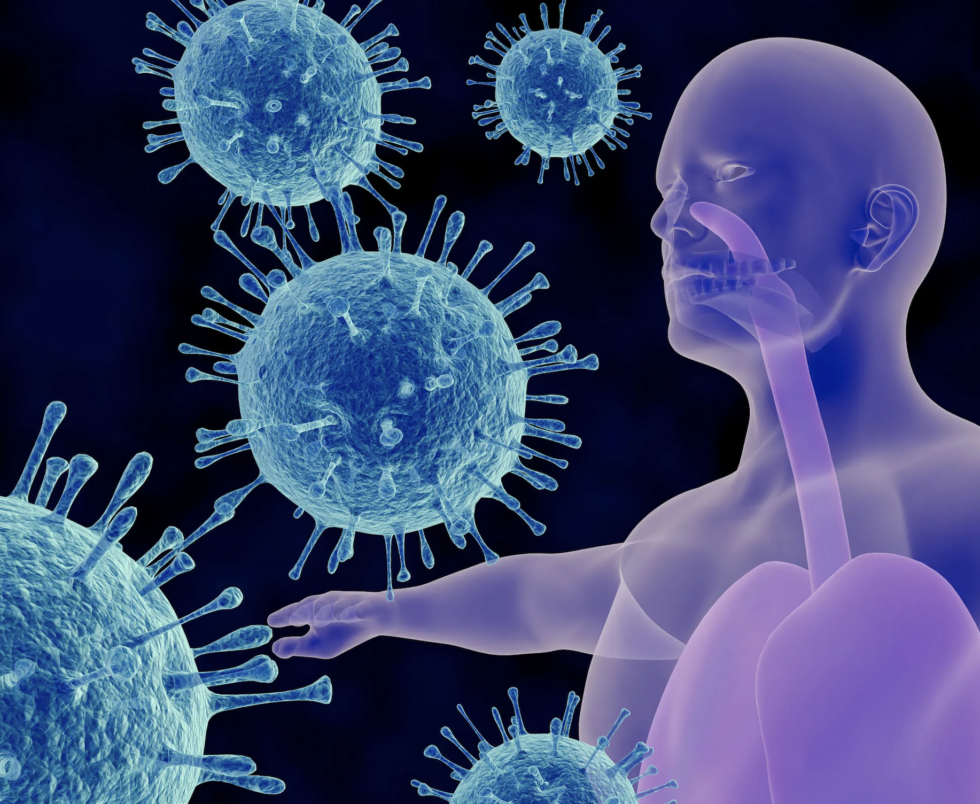
When flu season arrives, “immune-boosting” products and promises are everywhere. But the immune system is not a switch you can flip or a single number you can maximize. It is a complex network of cells, tissues, organs, and chemical signals. The most useful goal is not to supercharge it—it is to give your body the basics it needs to function normally while reducing your exposure to respiratory viruses.
No food, supplement, massage, or wellness treatment can guarantee that you will avoid influenza. The practical steps below offer a more reliable, evidence-based plan.
1. Make vaccination your first line of defense
The Centers for Disease Control and Prevention (CDC) says annual flu vaccination is the most important action for reducing the risk of seasonal influenza and its potentially serious complications. Everyone 6 months and older should generally receive a flu vaccine each season, with limited exceptions. Ask your healthcare professional which vaccine and timing are appropriate for you, especially if you are pregnant, age 65 or older, immunocompromised, or living with a chronic condition.
Vaccination cannot prevent every case, but it can reduce illness, hospitalization, and severity if you do get sick. Keep other recommended respiratory vaccines up to date as well.
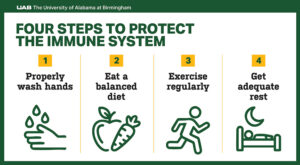
2. Protect sleep like a health appointment
Sleep gives the body time to recover and supports normal immune responses. Most adults need at least seven hours per night, although individual needs vary.
Start with a realistic routine:
- Keep your wake-up time fairly consistent, including on weekends.
- Create a 30-minute wind-down period with dimmer light and fewer screens.
- Keep the bedroom cool, dark, and quiet.
- Limit late caffeine and large amounts of alcohol, both of which can disrupt sleep.
- Speak with a healthcare professional if snoring, insomnia, pain, or daytime sleepiness persists.
One perfect night is less important than a pattern you can maintain.
3. Eat enough—and choose variety over miracle foods
Adequate protein, calories, vitamins, and minerals are necessary for normal immune function. Rather than chasing one “superfood,” build meals around variety: vegetables and fruit, whole grains, beans or other protein sources, nuts and seeds, and foods that fit your medical and cultural needs.
Clinical deficiencies in nutrients such as vitamins A, C, D, and E, selenium, and zinc can weaken immune function. That does not mean taking more is always better. The National Institutes of Health notes that, without a deficiency, routine high-dose micronutrient supplements probably do little to prevent or treat specific infections. Some supplements can interact with medications or cause harm at high doses.
If you have a restricted diet, digestive condition, known deficiency, or concern about vitamin D or another nutrient, ask a clinician or registered dietitian about testing and an appropriate dose. Food first is a sensible default; supplements should fill a demonstrated need, not replace balanced meals.
4. Move regularly, at a sustainable level
Regular physical activity supports overall health, sleep, mood, and normal immune function. Current U.S. guidance recommends that adults work toward at least 150 minutes of moderate-intensity activity each week plus muscle-strengthening activity on two days.
That is a target, not an entry requirement. A brisk 10-minute walk, gentle cycling, gardening, or a short strength routine counts. Increase gradually and choose something you can repeat. If you are feverish, dizzy, unusually short of breath, or acutely ill, rest and seek medical advice when appropriate rather than pushing through a workout.
5. Reduce exposure with hygiene and cleaner air
Healthy habits work best alongside practical infection prevention. Wash your hands regularly with soap and water, especially before eating and after coughing, sneezing, or spending time in public places. Avoid touching your eyes, nose, and mouth with unwashed hands.
Respiratory viruses can also spread through the air. When possible, open windows, use exhaust fans, maintain heating and cooling systems, or use a properly sized portable HEPA air cleaner. During periods of high respiratory illness—or when you or someone nearby is at higher risk—well-fitting masks, distance, and testing can add protection.
6. Stay home when sick and act early if you are high-risk
If you develop fever, chills, fatigue, cough, sore throat, body aches, or other respiratory symptoms, stay home and away from others. CDC guidance says people can return to normal activities after symptoms have been improving overall and they have been fever-free without fever-reducing medicine for at least 24 hours; added precautions for the next five days can further protect others.
People at higher risk of severe flu should contact a healthcare professional promptly because antiviral treatment works best when started early. Seek urgent care for warning signs such as trouble breathing, chest pain, confusion, severe weakness, or dehydration.
7. Give stress a regular outlet
Stress is part of life, and eliminating it is not realistic. The useful question is whether you have dependable ways to come down from it. Try a daily walk, slow breathing, time outdoors, music, stretching, meditation, conversation with someone you trust, or professional mental-health support.
Massage can be one optional relaxation practice. Some people find that it eases everyday muscle tension and helps them feel calmer or more grounded. Research suggests benefits for anxiety, mood, or quality of life in some populations, but results vary. Small studies have also measured changes in cortisol, oxytocin, lymphocytes, and cytokines after massage; these findings are mixed and do not show that massage prevents or treats influenza.
If massage suits you, think of it as supportive self-care—not an antiviral intervention or an immune “boost.” Always postpone an appointment when you have a fever or contagious symptoms.

8. Support the health conditions you already have
Diabetes, heart or lung disease, immune-suppressing conditions, smoking, and some medications can affect infection risk or recovery. Taking prescribed medicines, attending preventive visits, avoiding tobacco, and working with your care team may matter more than any wellness trend.
If you are older, pregnant, immunocompromised, or caring for someone at higher risk, ask a healthcare professional which vaccines, early treatments, and added precautions belong in your plan.
A simple weekly checklist
Keep it practical:
- Check that recommended vaccines are current.
- Plan several balanced meals and stock easy options.
- Schedule movement on most days.
- Protect a consistent sleep window.
- Improve airflow in shared indoor spaces.
- Keep soap, sanitizer, tissues, and masks available.
- Choose one reliable way to decompress.
- Stay home and reschedule close-contact appointments if symptoms begin.
Immune health is built through ordinary, repeatable actions—not dramatic promises. Choose the steps that fit your life, begin with one or two, and make consistency the goal.
Massage Therapy Center in Palo Alto is here if massage is one of the ways you choose to manage stress and physical tension. It is only one option among many; the best wellness routine is the one that is safe, evidence-aware, and sustainable for you.