
Cortisol: Your Body’s Alarm System—and How to Help It Settle
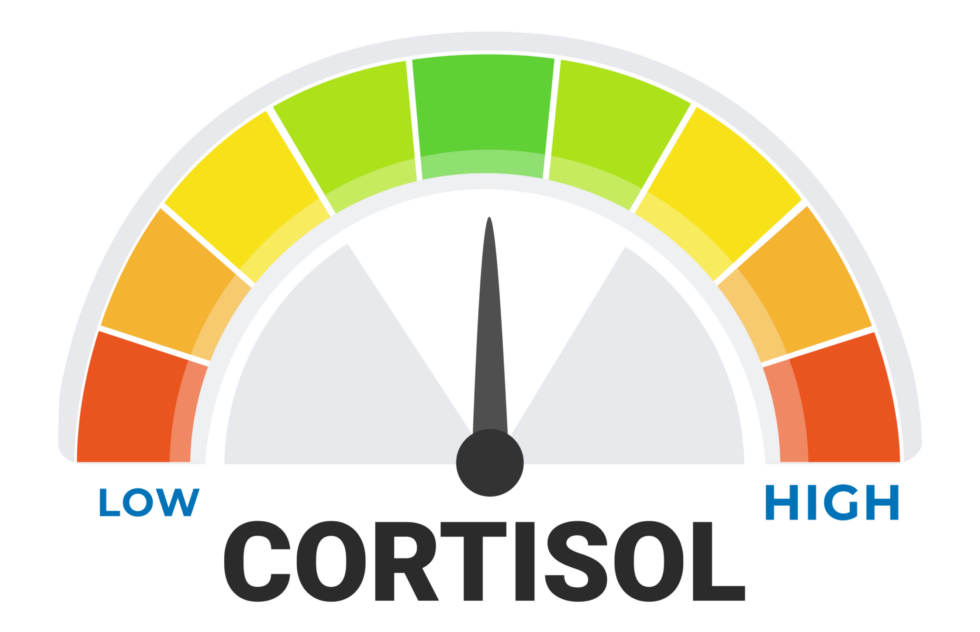
Cortisol is often called the “stress hormone,” but it is not inherently bad. Your body makes cortisol every day to help regulate blood sugar, blood pressure, metabolism, inflammation, and your response to stress. In a short-term stressful moment, cortisol helps you stay alert and ready to respond.
The concern is not a normal, temporary rise. It is when stress feels constant and the body has little chance to reset.
What can cause cortisol to rise?
Cortisol naturally changes throughout the day, and levels can temporarily rise with:
- Emotional stress, worry, or ongoing pressure
- Poor or inconsistent sleep
- Illness, injury, pain, or inflammation
- Intense exercise
- Caffeine, alcohol, and certain medications
- Major life changes, relationship stress, or work demands
Stress is not always something dramatic. A full calendar, constant notifications, skipped meals, and never having a quiet moment can all make it harder for the body to come out of “on” mode.
How common is chronic stress?
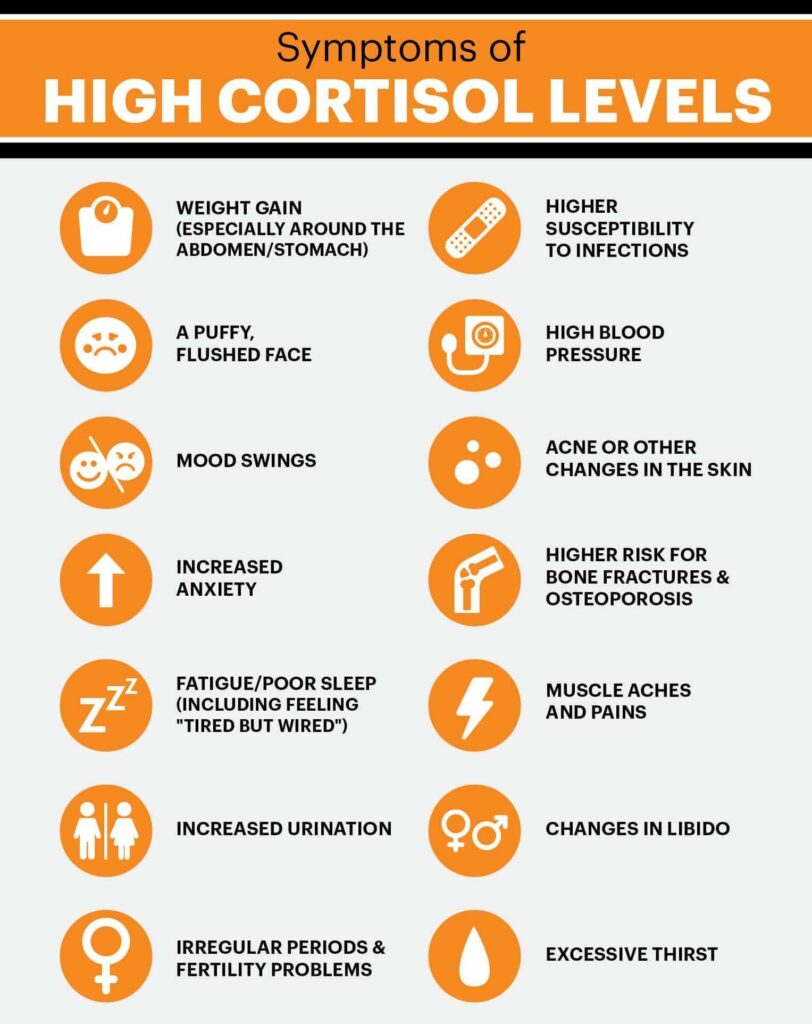
There is no reliable population-wide percentage for “chronically high cortisol.” Cortisol naturally rises and falls throughout the day, and one blood or saliva measurement cannot determine whether someone has a persistent cortisol problem. Chronic stress can also change the body’s normal cortisol rhythm rather than simply keeping it high all the time.
However, chronic stress and emotional strain are common. In 2022, 15.9% of U.S. adults reported frequent mental distress—meaning poor mental health for at least 14 of the previous 30 days because of stress, depression, or emotional problems, according to the CDC.

What does the evidence say about health risks?
When the stress response stays activated for too long, it can affect more than mood. Long-term stress-system activation is associated with sleep problems, digestive symptoms, high blood pressure, cardiovascular disease, reduced immune function, anxiety, and depression. Cortisol is one part of that stress system, along with nervous-system activity, inflammation, lifestyle changes, and other factors.
A recent review and meta-analysis of 33 studies involving more than 43,000 participants found that people with higher cortisol levels had a higher observed risk of cardiovascular disease than people with lower levels. This is an association—not proof that cortisol alone causes heart disease—but it is one reason stress recovery is worth taking seriously.
That does not mean every stressful week causes lasting harm. It simply means recovery matters. Your body benefits from regular moments that signal: “You are safe. You can slow down now.”
Does cortisol cause cancer?
It is important to be accurate here: research has not established that stress or high cortisol directly causes cancer in people. Studies on stress and cancer risk have produced mixed results. Some have found associations, while others have not.
There is laboratory and animal-model evidence suggesting chronic stress signaling may influence how some existing cancers grow or spread. But that is different from saying that stress causes cancer, and it does not mean a person is responsible for their illness because they felt stressed.
Six simple ways to support a calmer stress response
You do not need a perfect wellness routine. Small, repeated habits can make a meaningful difference.
- Take a short walk. Even brief movement can help reduce anxiety and support better sleep. A 10-minute walk after work, during lunch, or between errands is a great place to begin.
- Protect your sleep routine. Try to keep a consistent bedtime and waking time when possible. Create a wind-down period by dimming lights, putting away work, and reducing phone scrolling before bed.
- Practice slow breathing. A few minutes of slow, steady breathing can help the body shift out of a stressed state. Try inhaling gently for four counts and exhaling for six counts, repeating for one to three minutes.
- Eat and hydrate regularly. Long gaps without food, dehydration, and relying only on caffeine can make the body feel more stressed. Simple, balanced meals and regular water intake support steadier energy.
- Create a transition after work. Your nervous system needs a cue that the day is changing. Try changing clothes, taking a shower, listening to music, stretching, or sitting quietly for five minutes before moving into the rest of your evening.
- Make time for restorative care. Massage therapy can be a helpful part of a stress-management routine. The quiet environment, focused time away from daily demands, and supportive touch can help many people feel calmer and more connected to their bodies.
When to speak with a healthcare professional
Stress is common, but persistent symptoms deserve attention. Consider talking with a healthcare professional if you are experiencing ongoing sleep problems, major changes in weight or appetite, severe fatigue, anxiety or depression, unusual bruising, muscle weakness, or if you are concerned about your cortisol levels. A cortisol test alone cannot diagnose the cause of a problem.
At our massage therapy center, we believe self-care is not a luxury—it is part of staying well. Massage therapy can offer dedicated time to slow down, rest, and reconnect with your body. While massage is not a replacement for medical care, it can be a valuable part of a broader routine that includes sleep, movement, nourishing food, supportive relationships, and stress-management practices.