What Keigo Higashino’s Passing Teaches Us About Colorectal Cancer
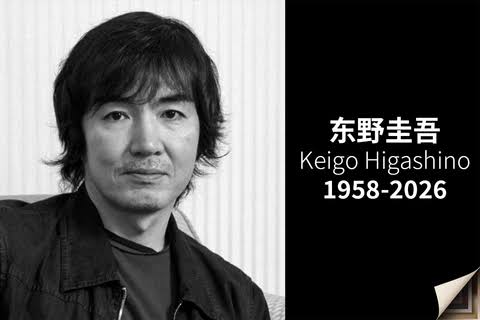
This week, I woke up to heartbreaking news that one of my favorite authors, Keigo Higashino (東野 圭吾), had passed away from colorectal cancer at the age of 68.
His passing is a tremendous loss to the literary world. But it also reminded me of something much bigger than literature. The disease that claimed his life is often called the “silent killer.”
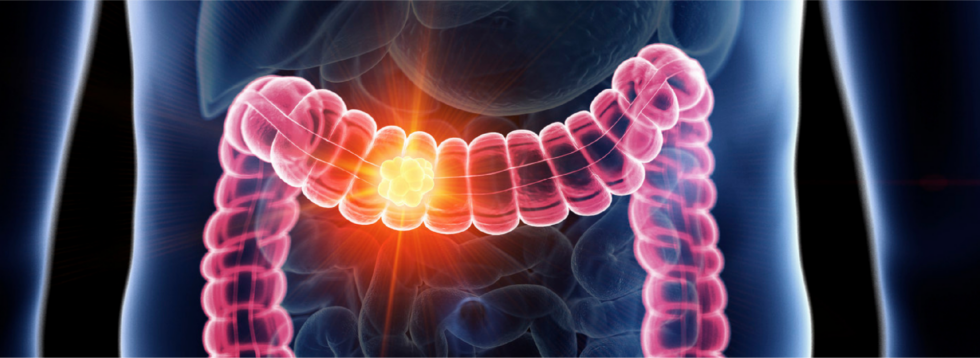
Unlike many illnesses that announce themselves with pain or dramatic symptoms, colorectal cancer often develops quietly over many years. By the time people realize something is wrong, the disease may already be advanced.
Colorectal Cancer Doesn’t Discriminate
Sadly, Higashino is far from the only well-known person whose life has been claimed by colorectal cancer.
Chadwick Boseman, the beloved actor who portrayed Black Panther, died in 2020 at only 43 years old after privately battling colon cancer for four years. His death stunned the world because he looked healthy while filming blockbuster movies, reminding us that this disease doesn’t always announce itself.
Audrey Hepburn, one of Hollywood’s most admired actresses and humanitarians, also died from cancer that originated in the colon.
Charles M. Schulz, creator of the beloved Peanuts comic strip, passed away only months after publicly announcing his diagnosis.
Former Philippine President Corazon Aquino, legendary singer Eartha Kitt, and England’s 1966 World Cup captain Bobby Moore also lost their lives to colorectal cancer.
Why Is It Called the “Silent Killer”?
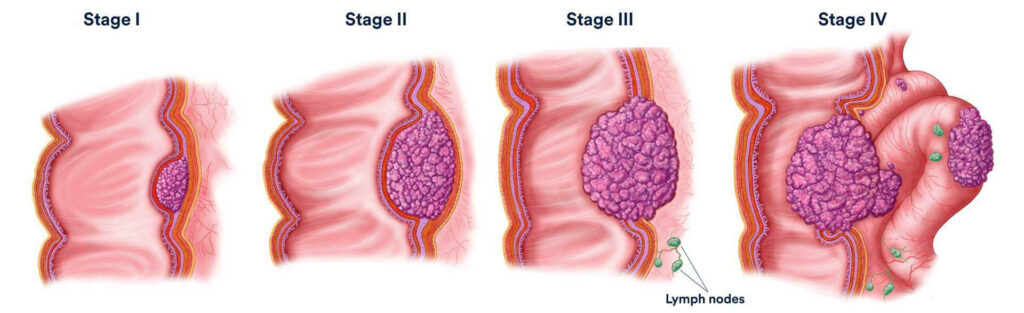
Most colorectal cancers begin as small growths called polyps inside the lining of the colon.
At first, these polyps are harmless. Over the next 10 to 15 years, however, some gradually develop into cancer. During that entire process, many people feel completely normal.
Meanwhile, a disease quietly grows without causing pain or obvious warning signs. That’s what makes colorectal cancer so dangerous. By the time symptoms appear, treatment may become much more complicated.
Symptoms You Should Never Ignore
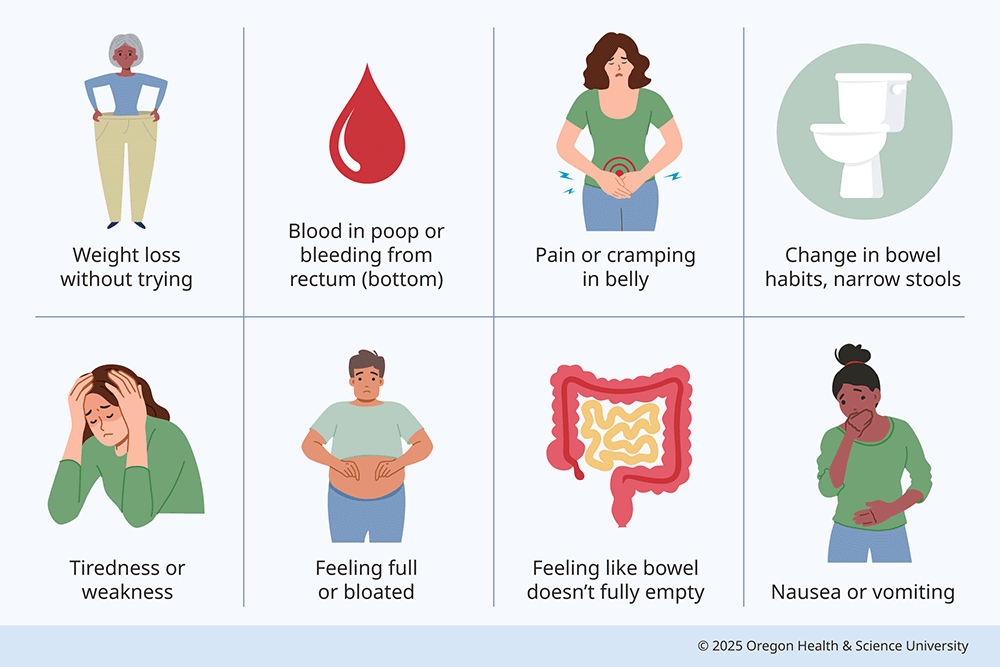
Early colorectal cancer often produces no symptoms at all. But as the disease progresses, warning signs may include:
- Blood in the stool
- Persistent constipation or diarrhea
- A change in bowel habits lasting more than a few weeks
- Narrow stools
- Abdominal pain or cramping
- A feeling that the bowel never completely empties
- Unexplained weight loss
- Fatigue caused by anemia
Who Is Most at Risk?
Although anyone can develop colorectal cancer, certain factors increase the risk.
1. Age
Age remains the biggest risk factor.
Risk rises significantly after age 45, which is why many medical organizations now recommend beginning routine screening at that age for people at average risk.
2. Male Sex
Men are about 25–30% more likely to develop colorectal cancer than women and are also slightly more likely to die from the disease.
Researchers believe this difference reflects a combination of biology and lifestyle. Men have historically had higher rates of smoking, heavy alcohol use, abdominal obesity, and diets rich in red and processed meats. Female hormones such as estrogen may also provide some protection before menopause.
That said, women are by no means immune. Colorectal cancer remains one of the most common cancers and one of the leading causes of cancer-related deaths among women. Everyone—regardless of sex—should take screening seriously.
3. Family History and Genetics
If a parent, sibling, or child has had colorectal cancer, your own risk increases substantially.
Certain inherited conditions, including Lynch syndrome and familial adenomatous polyposis (FAP), dramatically increase the likelihood of developing colorectal cancer and often require screening at much younger ages.
Knowing your family’s medical history can literally save your life.
4. Diet
What we eat matters.
Research consistently links a higher risk of colorectal cancer with diets high in:
- Processed meats
- Red meat
- Highly processed foods
- Low-fiber diets
Conversely, diets rich in vegetables, fruits, beans, legumes, and whole grains appear to lower the risk.
5. Physical Inactivity
Regular exercise benefits nearly every organ in the body—including the colon.
People who are physically inactive have a higher risk of colorectal cancer than those who stay active.
6. Obesity
Being overweight, especially carrying excess fat around the abdomen, increases the risk of colorectal cancer.
Maintaining a healthy weight benefits not only your digestive system but also your heart, joints, and overall health.
7. Smoking
Smoking damages far more than the lungs.
Long-term smokers are more likely to develop colorectal cancer and often have poorer outcomes after diagnosis.
8. Heavy Alcohol Consumption
Drinking alcohol in excess has been consistently associated with increased colorectal cancer risk.
Limiting alcohol is another simple step that can improve long-term health.
9. Inflammatory Bowel Disease
People living with Crohn’s disease or ulcerative colitis face a higher long-term risk because chronic inflammation can damage the lining of the colon over many years.
A Worrying Trend: More Young Adults Are Being Diagnosed
For decades, colorectal cancer was considered a disease of older adults.
Unfortunately, that is changing. Doctors around the world have noticed an alarming increase in colorectal cancer among adults younger than 50. Scientists are still trying to understand exactly why.
Possible explanations include changing diets, rising obesity rates, sedentary lifestyles, alterations in the gut microbiome, environmental exposures, and other factors that are still being investigated.
Whatever the cause, the message is clear:
Don’t ignore symptoms simply because you’re young.
Age lowers the odds—it doesn’t eliminate the risk.
The Good News: This Is One of the Most Preventable Cancers
Unlike many cancers, colorectal cancer usually develops slowly. That gives us an extraordinary opportunity to stop it before it becomes life-threatening.
The most powerful tool is screening. A colonoscopy doesn’t simply detect cancer. It can actually prevent cancer by finding and removing precancerous polyps before they ever become malignant.
For people at average risk, screening generally begins at age 45. Those with family history or inherited genetic conditions may need to start much earlier, so it’s important to discuss your personal risk with your healthcare provider.
Six Simple Ways to Reduce Your Risk
While no lifestyle guarantees you’ll never develop cancer, healthy habits can substantially lower your risk.
Eat More Fiber
Fill your plate with:
- Vegetables
- Fruits
- Whole grains
- Beans
- Lentils
Fiber promotes healthy digestion and may reduce the amount of time harmful substances remain in contact with the colon.
Exercise Regularly
Aim for at least 150 minutes of moderate exercise each week.
Walking, cycling, swimming, dancing, gardening—even brisk walks after dinner—all contribute.
Maintain a Healthy Weight
Healthy eating combined with regular physical activity reduces the risk of colorectal cancer and many other chronic diseases.
Don’t Smoke
Quitting smoking is one of the best gifts you can give your future self.
Limit Alcohol
Moderation lowers the risk of colorectal cancer as well as heart disease and liver disease.
Get Screened
If there’s one message I hope every reader remembers, it’s this:
Don’t wait until you have symptoms.
The goal of screening is to find problems before they become dangerous.
That’s why screening saves lives.