
Beat the Winter Blues: A Simple, Actionable Mood-Boost Plan

Winter blues aren’t about weakness or lack of motivation. They’re a biological response to less light, less movement, and more indoor time. The fix isn’t radical change—it’s specific, repeatable habits that support your nervous system.
Here’s a clear, evidence-based daily and weekly plan you can actually follow.
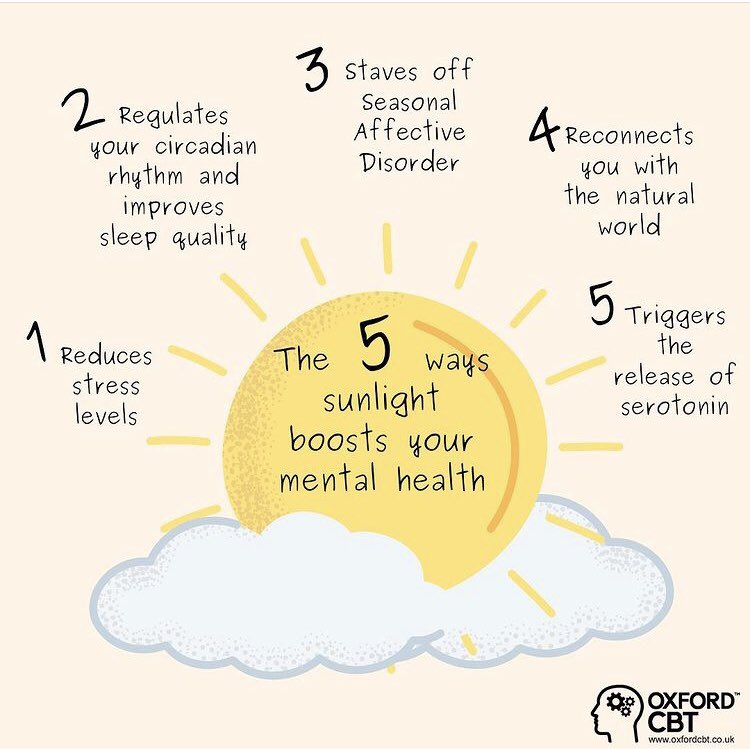
1. Sunlight: 30–60 minutes per day (before noon if possible)
Why: Light exposure regulates your circadian rhythm and boosts serotonin.
Do this:
- Aim for 30 minutes outdoors daily on cloudy days
- 15–20 minutes is enough on bright days
- Best timing: within 1 hour of waking
Walking counts. Sitting counts. You don’t need exercise—just light.
If outdoor light isn’t realistic:
- Use a 10,000-lux light therapy lamp for 20–30 minutes each morning, ideally between 6–9 a.m.
- Sit about 16–24 inches from the lamp (no staring required)
👉 This is one of the most effective interventions for winter mood—comparable to medication for mild seasonal depression.
2. Movement: 20–30 minutes, 5 days per week
Why: Movement increases dopamine and endorphins and improves sleep quality.
Minimum effective dose:
- 10 minutes still helps if motivation is low
- Walking, stretching, yoga, Pilates, or light strength all count

Ideal winter routine:
- 10 min morning stretch or walk
- 10–20 min mid-day or evening movement
Consistency beats intensity. Winter is not bootcamp season.
3. Warmth: 1 intentional warming ritual per day
Why: Physical warmth activates the parasympathetic (calming) nervous system.
Choose one:
- 10–20 min warm shower or bath
- Heated blanket or foot soak in the evening
- Massage every 2–4 weeks to reduce cortisol and muscle tension
Cold makes the body brace. Warmth tells it you’re safe.

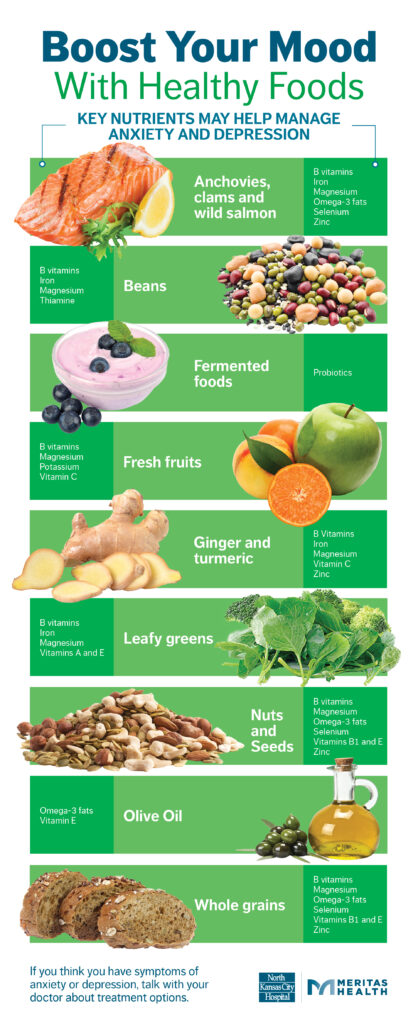
4. Nutrition: 3 mood-supportive anchors daily
You don’t need a perfect diet—just a few non-negotiables.
Aim for daily:
- Protein at every meal (eggs, tofu, fish, chicken, beans)
- 1 warm meal (soup, stew, roasted vegetables)
- Complex carbs (rice, oats, potatoes, whole grains)
Avoid long gaps without eating—blood sugar crashes worsen low mood.
5. Sleep: 7–9 hours, same schedule daily (±30 minutes)
Why: Sleep disruption amplifies anxiety and low mood.
Action steps:
- Wake up at the same time every day—even weekends
- Dim lights 1–2 hours before bed
- No scrolling in bed (or at least switch to warm-light mode)
If you’re sleeping more than usual and still exhausted, it’s a sign you need more light, not more sleep.
6. Social Connection: 2–3 touchpoints per week
Why: Social contact stabilizes mood through oxytocin release.
Keep it simple:
- Walk + talk with a friend
- Coffee or tea (not a big dinner)
- Short check-in call
Isolation deepens winter blues faster than people realize.