
8 Powerful Ways to Support Heart Health — Beyond the Basics
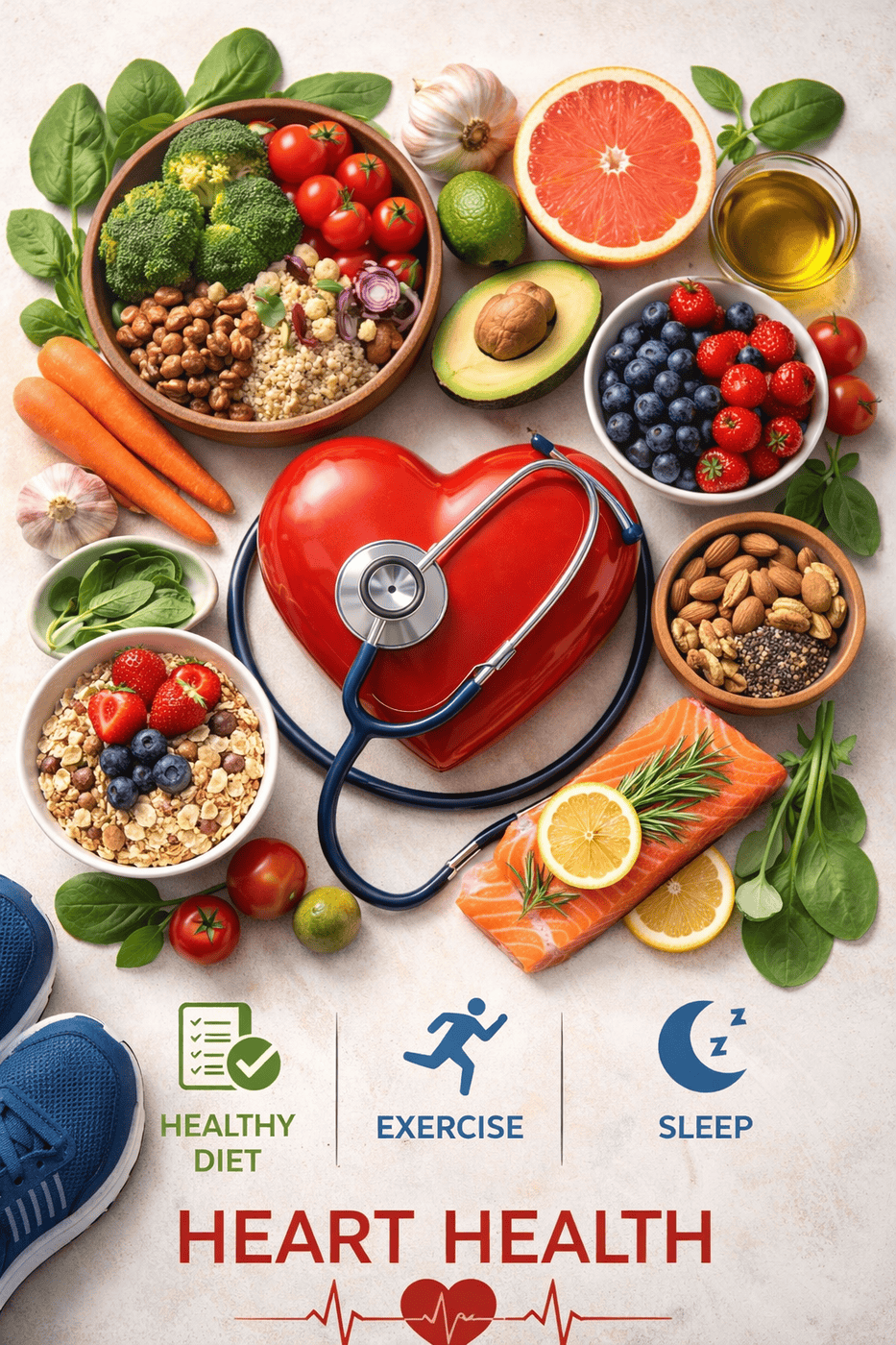
Heart disease remains one of the leading causes of death worldwide, but the good news is this: much of your heart’s health is within your control. Modern science increasingly shows that everyday habits — what you eat, how you move, how you sleep, and how you manage stress — all shape your cardiovascular wellbeing. (Mayo Clinic)
Here are eight ways to protect your heart and cultivate lasting vitality.
1. Embrace a Heart-Healthy Eating Pattern
What you eat matters — a lot. Patterns such as the Mediterranean or DASH diets — rich in vegetables, fruits, whole grains, legumes, nuts, seeds, and healthy oils like olive oil — are strongly associated with lower risk of heart disease. (Experience Life)
Focus on:
- Colorful vegetables and fruits
- Whole grains such as oats, barley, and brown rice
- Heart-protective fats from olive oil, avocados, nuts, and seeds
- Lean proteins like fish, beans, and poultry
Swap out highly processed foods, sugary snacks, and refined carbs for whole, nutrient-dense options whenever possible. (Experience Life)
2. Move Your Body Daily
Being physically active isn’t just about looking fit — it’s essential for a strong heart. Regular movement helps lower blood pressure, improve cholesterol levels, manage weight, and boost circulation. (www.heart.org)

Aim for:
- At least 150 minutes of moderate-intensity activity per week (e.g., brisk walking)
- Or 75 minutes of vigorous activity (e.g., running or cycling)
- Strength training on 2 or more days per week
Even short sessions count — a bout of movement today adds up over time for lasting benefit. (www.heart.org)
3. Sleep Well Every Night
Sleep isn’t optional — it’s foundational. Poor sleep is linked with higher blood pressure, inflammation, and insulin resistance, which can increase heart disease risk. (Mayo Clinic)

Most adults thrive on 7–9 hours of quality sleep per night. Create a calming bedtime routine, limit screens before bed, and prioritize consistent sleep cycles.
4. Keep Stress in Check
Chronic stress triggers hormones that can raise blood pressure and damage arteries over time. Some ways to manage stress include:
- Meditation or deep-breathing exercises
- Walking in nature
- Gentle movement like yoga or tai chi
- Time with friends and family
Mind-body practices don’t just feel good — they support heart health by lowering stress responses and reducing inflammation. (WellcomeMD – Concierge Medicine)
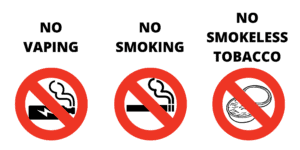
5. Avoid Tobacco in All Forms
There’s no safe level of smoking or tobacco use. Cigarette smoking and even secondhand smoke damage blood vessels and significantly increase heart disease risk. (Mayo Clinic)
If you smoke, quitting is one of the single most impactful steps you can take for your heart — and your overall health. Your doctor can support you with tools and strategies to help make quitting stick.
6. Maintain a Healthy Weight
Carrying extra weight — particularly around the waist — puts stress on the heart and increases the risk of high blood pressure, diabetes, and elevated cholesterol. (CDC)
A balanced diet paired with consistent activity is key. Even modest weight loss (5–10% of body weight) can meaningfully improve cardiovascular markers.
7. Monitor Key Health Numbers
Getting regular check-ups gives you actionable insights into your heart health. Your care team may check:
- Blood pressure
- Cholesterol levels
- Blood sugar (glucose)
- Body mass index
These “vital numbers” help detect risk early and guide individualized strategies for improvement or medical support if needed. (www.heart.org)
8. Nourish Your Entire System
Small habits throughout your day support big cardiac outcomes:
- Hydrate well — water fuels circulation
- Choose herbs and spices over excess salt to manage blood pressure
- Prioritize gut-friendly foods like fiber and fermented foods, which support overall metabolic health
Even subtle changes — like cooking with olive oil instead of butter or adding herbs like cilantro or basil to meals — enhance flavor and heart-friendly nutrition without complicating your routine. (EatingWell)
A Quick Note on Warning Signs
While healthy habits go a long way toward protecting your heart, it’s just as important to recognize when something may be wrong. Heart problems don’t always show up as dramatic chest pain.
Talk to a healthcare professional if you notice:
-
Chest pressure, tightness, or discomfort (especially with activity)
-
Shortness of breath during everyday tasks or when lying down
-
Unusual or persistent fatigue
-
Dizziness, lightheadedness, or fainting
-
A racing, fluttering, or irregular heartbeat
-
Swelling in the feet, ankles, or legs
Symptoms that are sudden, severe, or worsening — especially chest pain or trouble breathing — should be treated as a medical emergency.
Listening to your body and acting early can be just as powerful as prevention.
Your Heart, Your Health
There’s no one “magic bullet” for heart health. Instead, it’s the sum of daily choices — nourishing foods, intentional movement, restorative sleep, stress management, and regular health monitoring — that helps protect your heart for years to come. (CDC)
Start with one habit today — and build momentum from there. Small, consistent shifts compound into a life that feels vibrant, resilient, and heart-strong.