Why We Don’t Focus Only on the Neck—Even If That’s Where It Hurts

At Massage Therapy Center, one of the most common requests we hear is:
“Can you just focus on my neck the whole session?”
We understand. The neck is where many people feel the most tension—especially with desk work, long commutes, and daily stress.
And while neck work can feel great, lasting relief usually comes from a more comprehensive approach.

Neck Tension Is Usually Not Just About the Neck
In most cases, neck discomfort is closely connected to:
- Tight shoulders
- Upper back strain
- Postural habits from work and daily life
If we only focus on the neck, the relief is often temporary.
That’s why our therapists look beyond a single area—to address the underlying patterns contributing to the tension.
Our Approach at Massage Therapy Center
Our therapists are trained to treat neck tension as part of a larger system.
A typical session may include:
- Releasing tension in the shoulders and upper back
- Improving mobility in surrounding muscle groups
- Applying targeted, controlled techniques to the neck
This allows the neck to relax more naturally—without being overworked.
Why Balance Matters
The neck is a sensitive and complex area. Effective massage is not about applying more pressure or spending more time in one spot.
Instead, it’s about:
- Using appropriate pressure
- Working with the body’s natural response
- Creating relief that lasts beyond the session
Simple Ways to Relieve Neck Tension at Home
Between sessions, small habits can make a big difference—especially using heat therapy.
1. Use a Warm Heat Pack (Not Too Hot)
- Apply to the neck and upper shoulders for 10–15 minutes
- Warmth helps increase circulation and relax tight muscles
- Avoid excessive heat to prevent irritation
We sell heat packs locally made with organic ingredient at our front desk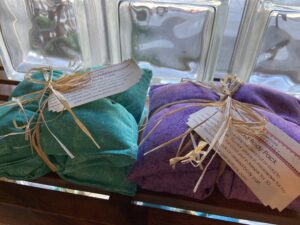
2. Target the Shoulders Too
Many people place heat only on the neck—but the upper shoulders (trapezius) are often the real source of tension.
Try placing the heat pack so it covers both:
- Base of the neck
- Tops of the shoulders
3. Use Heat Before Stretching
After applying heat:
- Gently roll your shoulders
- Slowly stretch your neck side-to-side
Warm muscles respond better and more safely to movement.
4. Evening Use Works Best
Using a heat pack at the end of the day can:
- Release accumulated tension
- Improve relaxation before sleep
- Prevent stiffness the next morning