Why Our Upper Back, Neck, and Shoulders Are So Prone to Knots and Tightness

Ever notice how stress and tension always seem to land right between your shoulders or at the base of your neck? You’re not imagining it. Those areas are some of the most hardworking muscles in the body, and they have a way of collecting knots faster than anywhere else.
Always “On Duty”
Your upper back and neck muscles are like the body’s support team. They’re constantly holding up your head (which weighs about as much as a bowling ball) and keeping your shoulders stable. Even when you’re sitting still, they’re at work. That constant effort makes them easy targets for stiffness.
Posture & Tech Neck
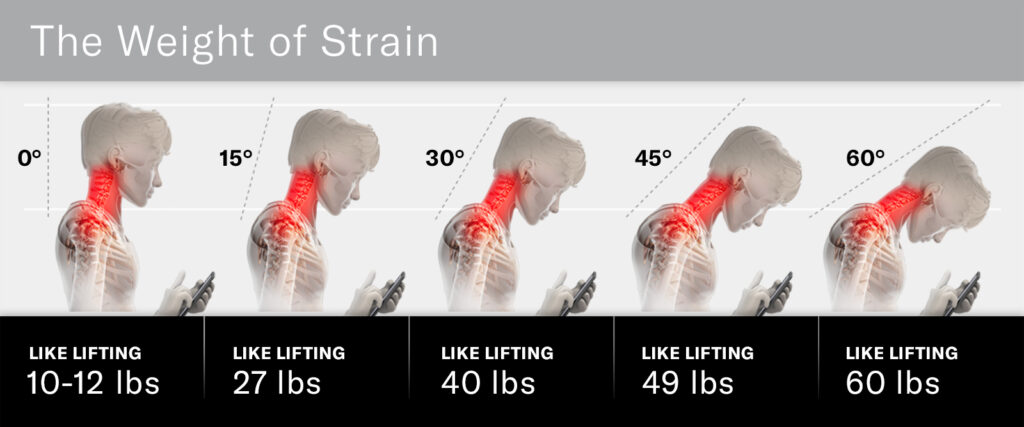
Add in our modern habits—hours at the computer, looking down at phones, slouching at the desk—and the strain piles on. Each inch your head drifts forward doubles the workload on those little neck muscles. No wonder they feel sore by the end of the day.
Stress and Emotions
There’s also the emotional side. When we’re anxious or overwhelmed, our shoulders tend to creep up toward our ears without us even realizing it. Over time, that protective hunch becomes a habit, and those muscles never get a chance to fully relax.
What You Can Do About It
The good news? A few simple tricks can make a big difference:
- Heat it up: A warm shower, heating pad, or a microwavable heat pack can work wonders. Heat boosts circulation and helps tight muscles let go.

- Cool it down (when needed): If you’ve overdone it at the gym or your neck feels inflamed, a cold pack can calm things before switching back to heat.
- DIY massage: Grab a tennis ball, lean against a wall, and gently roll it into those tight spots. It’s simple but surprisingly effective.
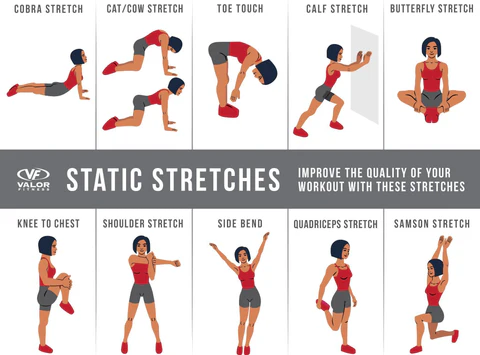
- Stretch breaks: Roll your shoulders, tilt your head side to side, or open up your chest with a doorway stretch—especially if you sit a lot.
- Breathe and reset: A few deep, slow breaths can signal your shoulders to drop and relax.
The Takeaway
Your shoulders and neck carry more than just your head—they carry your stress, your posture habits, and sometimes even your emotions. With regular movement, a little self-care, and of course, massage when you need extra help, you can keep that tension from turning into daily pain.