
Why Is Anxiety More Common in Rich Countries—And How Can We Protect Our Youth?
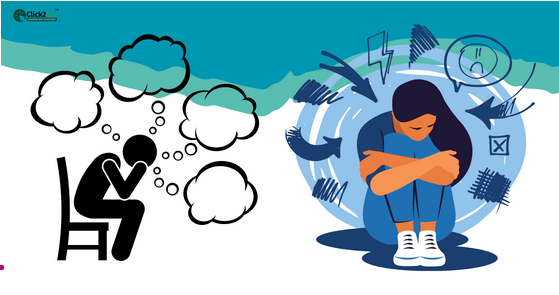

If you’ve ever wondered why anxiety seems to be everywhere today, especially among teens in wealthier countries, you’re not alone. According to data from Our World in Data, anxiety disorders are notably more prevalent in high‑income nations like the United States, Australia, and much of Western Europe compared to lower‑income countries.
The Paradox of Prosperity
Wealthy countries offer more access to healthcare, education, and safety nets—and yet, they also report higher anxiety levels. Factors may include:
- Intense academic and social expectations
- Information overload and digital comparison pressures
- Weaker community bonds amid growing individualism
- Less emotional resilience due to fewer early-life challenges
Early adolescence is a critical window: half of all mental health conditions begin by age 14, and three-quarters by age 24. In the U.S., around 1 in 5 adolescents report symptoms of anxiety (21%) or depression (17%) in the past two weeks—with teen girls and LGBTQ+ youth at significantly higher risk (KFF).
What We Can Do
1. Normalize Emotional Conversations
Create routine check-ins:
- “What was the hardest part of your day?”
- “Did anything make you feel worried today?”
Such empathy reduces isolation and fosters resilience.
2. Establish Tech-Free Zones
Screens before bed or during meals can disrupt sleep and magnify anxiety. Safe spaces for offline connection are essential.
3. Encourage Play, Purpose & Nature
Unstructured play, physical activity, and meaningful volunteer experiences enrich emotional well-being and boost self-esteem.
4. Model Healthy Stress Management
Teens learn by watching—let them see you setting boundaries, resting, and asking for support when needed.
5. Teach Mindfulness & Self-Soothing Techniques
Younger Kids (6–10):
- Balloon Breathing: “Inflate your belly like a balloon with each breath.”
- Five Senses Game: Name 5 things you see, 4 you feel, 3 you hear, 2 you smell, and 1 you taste.
Pre-Teens & Teens:
- Guided Meditations: Short apps or videos (5–10 minutes) to wind down.
- Body Scan: Lie down and mentally relax each body part.
- Mindful Journaling: Name what’s on your mind plus three things you’re grateful for.
Any Age:
- Movement-Based Mindfulness: Gentle yoga, tai chi, or mindful walking.
- Calm Corner at Home: A cozy getaway with soft lighting, scents, and music to help regulate emotions.
Build resilience for the future
Statistics show anxiety and depression in youth are not isolated—they’re part of a larger societal trend, one most acute in affluent regions. If prosperity brings pressure instead of peace, it’s time to redefine what a healthy childhood looks like.
By investing early—through emotional literacy, mindfulness tools, and authentic relationships—we can counteract this trend and build resilience for the next generation.