
Why do some people age much more slowly than their peers?
Many people think aging is simply about getting older. But have you noticed that some people seem to age much more slowly than their peers? Two people may be the same age, yet one appears more energetic, resilient, and youthful.
One reason may lie deep inside our cells—in tiny structures called telomeres.
The Simple Science
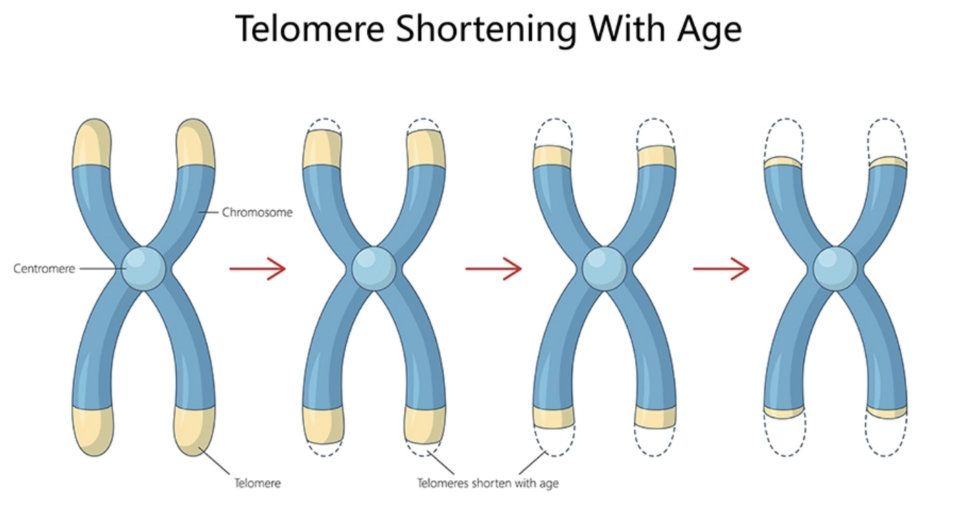
Telomeres are protective caps at the ends of our DNA. Think of them like the plastic tips at the end of shoelaces that keep the lace from fraying.
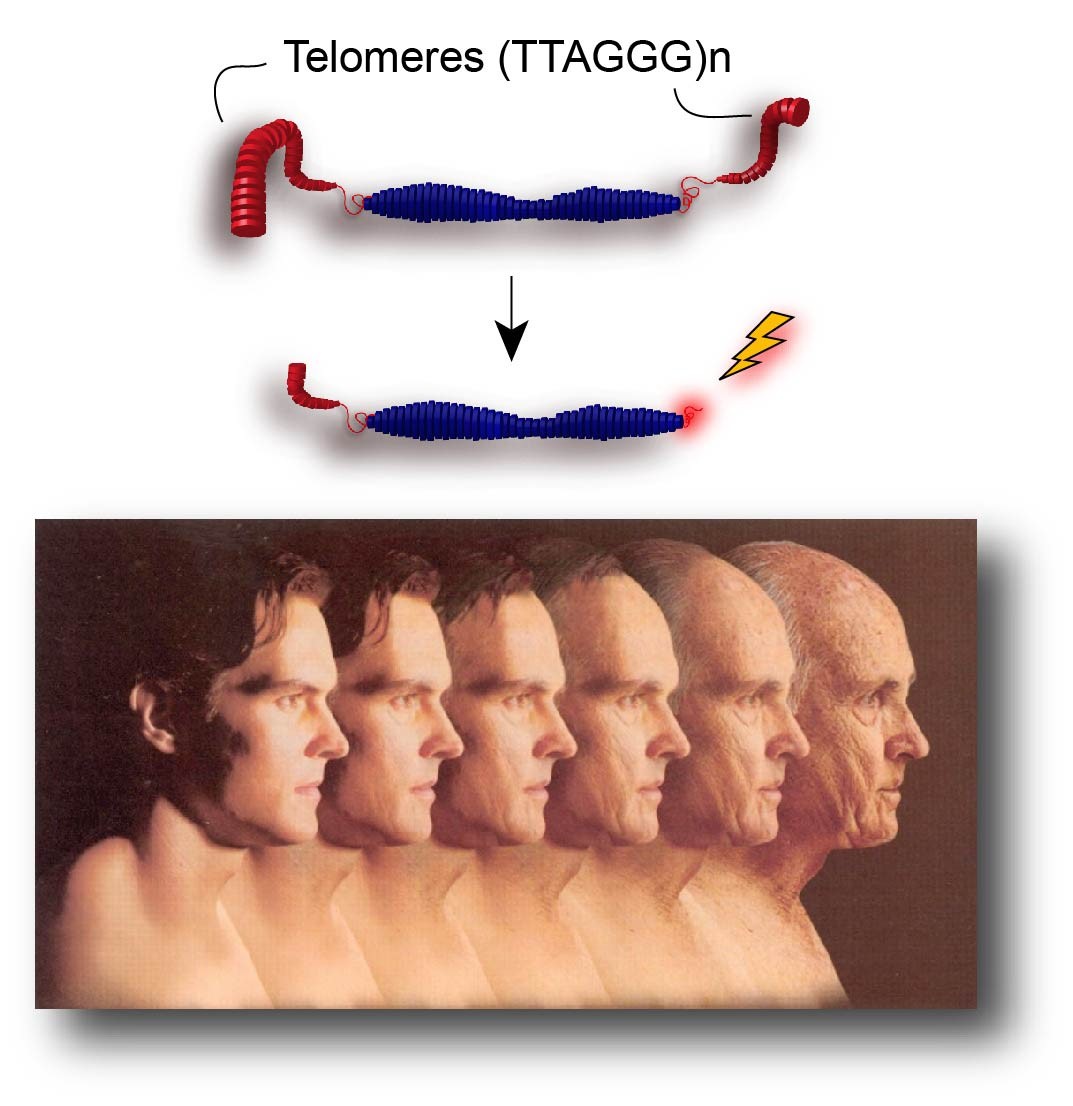
As we age, telomeres naturally get shorter. When they become too short, cells stop functioning well. This is one reason our bodies gradually age.
However, chronic inflammation can make telomeres shorten faster, which may speed up the aging process.
Inflammation can come from everyday sources such as:
- chronic stress
- poor sleep
- unhealthy diet
- long hours sitting at a computer
- lack of physical movement
Over time, this low-level inflammation quietly affects the body.
What This Means for Massage Clients
Many of the issues people come in for—tight shoulders, neck pain, headaches, fatigue, and poor sleep—are not just muscle problems. They are often linked to chronic tension and inflammation in the body.
Massage helps in several ways:
• improves circulation
• reduces stress hormones
• relaxes the nervous system
• promotes better sleep
All of these can help reduce inflammation, which indirectly supports healthier telomeres and slower biological aging.
In other words, taking care of your body regularly is not just about feeling good today—it may also help you age better over time.
Practical Ways to Protect Your Telomeres
Here are simple habits that can help reduce inflammation and support healthy aging.
1. Manage Stress
Chronic stress is a major driver of inflammation.
Helpful habits include:
- massage therapy
- deep breathing
- walking outdoors
- meditation or quiet time
Even 10 minutes of relaxation a day can help calm the nervous system.

2. Move Your Body Regularly
Movement improves circulation and reduces inflammation.
Good options include:
- walking
- stretching
- yoga
- light strength training
Even daily stretching after long hours at a computer can make a difference.
3. Prioritize Sleep
Sleep is when the body repairs damaged cells.
Poor sleep increases inflammation and accelerates aging.
Helpful tips:
- aim for 7–8 hours of sleep
- keep a consistent sleep schedule
- reduce screen time before bed

4. Eat Anti-Inflammatory Foods
Foods that support healthy aging include:
- vegetables and fruits
- fish and omega-3 fats
- nuts and olive oil
Foods that increase inflammation include:
- excessive sugar
- ultra-processed foods
- excessive alcohol
5. Get Bodywork Regularly
Massage is not just a luxury—it can be part of a long-term wellness strategy.
Regular sessions can help:
- release chronic muscle tension
- improve circulation
- support relaxation and recovery
For people who spend long hours sitting or working at a computer, consistent bodywork can be a powerful way to reduce stress and inflammation.
The Bottom Line
Healthy aging is influenced not just by genetics, but by daily habits.
By reducing inflammation through movement, good sleep, healthy food, stress management, and regular massage, you may help protect your body at the cellular level.
Your muscles may feel better today—but your cells may thank you years from now.