Why Assisted Stretching Feels So Different From Stretching on Your Own
Most of us know we should stretch. We also know how stretching at home often goes: bend toward the toes for fifteen seconds, pull one heel toward the backside, make a few circles with the shoulders and declare the job finished.
Assisted stretching is a rather different experience.
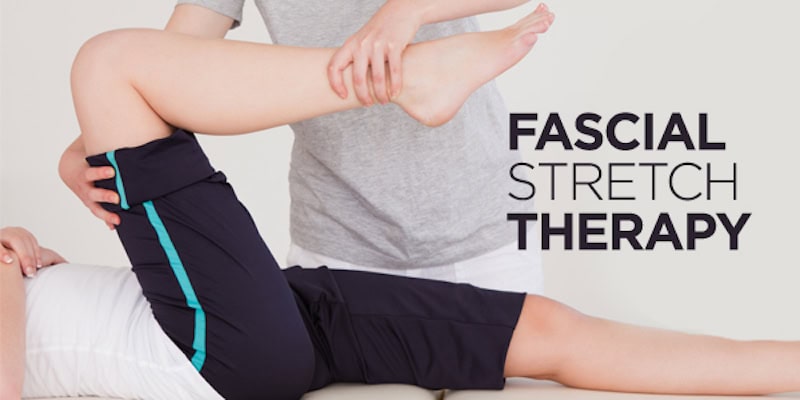
Instead of trying to position and stretch your own body, you work with a trained practitioner who moves your limbs through carefully controlled positions and stretches. Because you are not simultaneously trying to stabilize yourself, reach a foot or hold an awkward pose, you may be able to relax into movements that are difficult to reproduce on your own.
That distinction matters. When you stretch yourself, your own strength, balance, mobility and perception determine how you position the body. A practitioner can observe how you move, adjust angles and work systematically through areas that may be contributing to a restriction.
The goal isn’t simply to see how far someone can push your leg.
Good assisted stretching should be controlled and responsive, with communication between practitioner and client. Depending on the technique, stretches may involve different positions, gentle traction, movement through a range of motion, or cycles of tension and relaxation. It should not be a contest to tolerate pain.
At Massage Therapy Center Palo Alto, Antonio E., CMT, has made this kind of work a significant part of his practice. After a 20-year career in investment and banking, Antonio graduated from the National Holistic Institute in 2017 and shifted his attention to massage therapy, with a particular focus on deep tissue work, sports massage and assisted stretching.
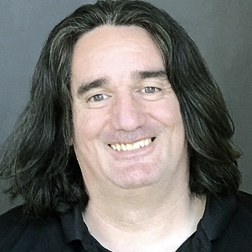
His training goes beyond conventional massage. Antonio is certified in Fascial Stretch Therapy (FST), Selective Functional Movement Assessment (SFMA), FAKTR, Rocktape FMT and the Titleist Performance Institute system, and he holds a USA Weightlifting Level 1 coaching certification. That collection of training reflects the way he tends to think about the body—not merely as an isolated sore shoulder or tight hamstring, but as a system of movements.
That can make assisted stretching especially interesting for people who exercise regularly, play sports, sit for long periods, or simply notice that movements that once felt effortless have become less comfortable. It can also complement massage nicely. Massage focuses substantially on soft tissue; assisted stretching adds movement and mobility into the session.
MTC currently offers Fascial Stretching Therapy with Antonio as a 15- or 30-minute add-on, in addition to his stretch therapy, sports massage and deep-tissue work. It isn’t necessary to be an athlete to try it. Plenty of people simply want to move more freely.
Perhaps that’s the most useful way to think about stretching. Flexibility isn’t about performing impressive poses; it’s about having enough comfortable movement to do the things you want your body to do.
At Massage Therapy Center Palo Alto, Antonio offers assisted stretching and Fascial Stretch Therapy alongside his massage work. It can be a good option for clients who want to add more focused mobility work to their regular massage routine.