
When Your Brain Feels Foggy and What Actually Helps
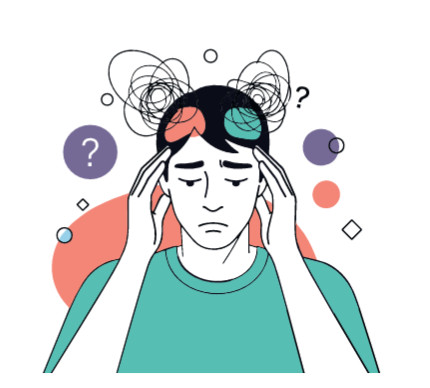
You reread the same paragraph three times. A familiar name disappears just as you are about to say it. By midafternoon, even a simple decision feels strangely expensive.
“Brain fog” is not a diagnosis. It is a useful description for a cluster of experiences: slower thinking, poor concentration, forgetfulness, trouble finding words, and the sense that your mental bandwidth has narrowed. The frustrating part is that a sharp, capable person can feel this way while still performing well enough that no one else notices.
The first useful idea is that brain fog is often not a storage problem. It can be an attention problem. If fatigue, stress, pain, or notifications keep information from being fully registered, there is less to retrieve later. The forgotten name may never have made it cleanly into memory in the first place.
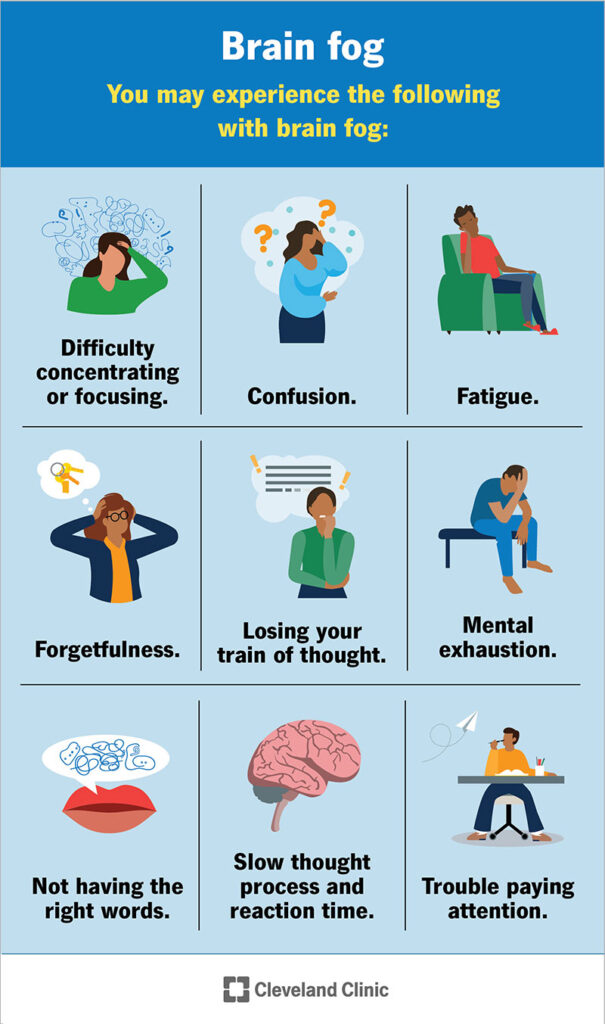
What commonly creates the fog
Sleep and circadian disruption. Too little sleep is an obvious culprit, but irregular timing, jet lag, alcohol-fragmented sleep, sleep apnea, hot flashes, and late caffeine can matter too. NIH notes that caffeine’s stimulating effects can last eight hours or longer.
Stress and cognitive overload. A brain monitoring Slack, email, family logistics, and a difficult decision is not truly multitasking; it is repeatedly switching context. Each switch uses attention. Chronic pain, anxiety, and depression can consume bandwidth in a similar way.
Medications and substances. Sedating antihistamines, sleep aids, some pain medicines, and other prescriptions can make thinking feel slower. Alcohol and cannabis can also affect attention or sleep quality. This is a reason for a medication review—not a reason to stop a prescription on your own.
Hormonal, nutritional, and medical factors. Perimenopause, thyroid disorders, anemia, vitamin B12 deficiency, blood-sugar swings, and other conditions can resemble ordinary exhaustion. Brain fog may also follow an infection, including COVID-19. The label describes the experience; it does not reveal the cause.
Notice the pattern before buying a solution
For seven days, record three things when the fog appears: the time, what you were doing, and what happened in the previous few hours. Include sleep, meals, caffeine, alcohol, exercise, stressful meetings, headaches, and medications. Keep it brief enough that you will actually do it.
The pattern may be more revealing than the symptom. Fog that arrives after lunch is different from fog present on waking. Trouble after a night of snoring and unrefreshing sleep suggests a different conversation than symptoms beginning after a new medication or viral illness.
Five experiments that can produce noticeable feedback
- Protect one hour of high-quality attention. Choose your clearest time of day. Put the phone out of reach, close messaging and email, and work on one cognitively demanding task for 25 minutes. Take a five-minute movement break and repeat. The goal is not greater discipline; it is fewer context switches.
- Anchor your wake time for one week. Wake within the same 30-minute window, including the weekend, and get outdoor light early in the day. If you use caffeine, try moving the last serving at least eight hours before bed. Judge the experiment by morning clarity, not by whether every night is perfect.
- Use movement as a reset, not a punishment. Try a brisk 10- to 20-minute walk when your attention drops. Regular physical activity supports brain health; federal guidance recommends working toward 150 minutes a week. If illness makes exertion worsen your symptoms later, use pacing and discuss that pattern with a clinician rather than pushing through it.

- Build a steadier lunch. Pair protein with fiber-rich carbohydrates and a source of healthy fat—for example, lentils with vegetables and olive oil, or eggs with whole-grain toast and fruit. Add water. This is less dramatic than a supplement stack, but it avoids the very light lunch followed by caffeine and a 3 p.m. crash.
- Move memory outside your head. Keep one capture place for tasks and ideas. Before switching projects, write the next physical action: “Open the budget and check September travel,” not “work on budget.” Externalizing unfinished loops leaves more working memory available for the task in front of you.
When self-experimenting is not enough
Make an appointment if brain fog is new, persistent, worsening, affecting work or safety, or accompanied by major fatigue, headaches, mood changes, menstrual changes, numbness, weakness, or other symptoms. A clinician may review sleep, medications, mood, recent infections, and whether testing for issues such as anemia, thyroid disease, or vitamin deficiency makes sense.
Sudden confusion, difficulty speaking, facial drooping, one-sided weakness, a severe new headache, fainting, or chest pain is not routine brain fog and needs urgent medical attention.
A clearer goal
Trying to “optimize your brain” can become another demanding project. A better goal is to remove one source of friction and observe what changes. Start with the seven-day pattern log, then choose the experiment most closely matched to what you find.
Massage is not a treatment for the medical causes of brain fog. But if stress and poor sleep are part of your pattern, a quiet hour of restorative care may help your system shift out of constant alert. Massage Therapy Center in Palo Alto is here when that kind of pause would be useful.