
How Massage Supports the Immune System
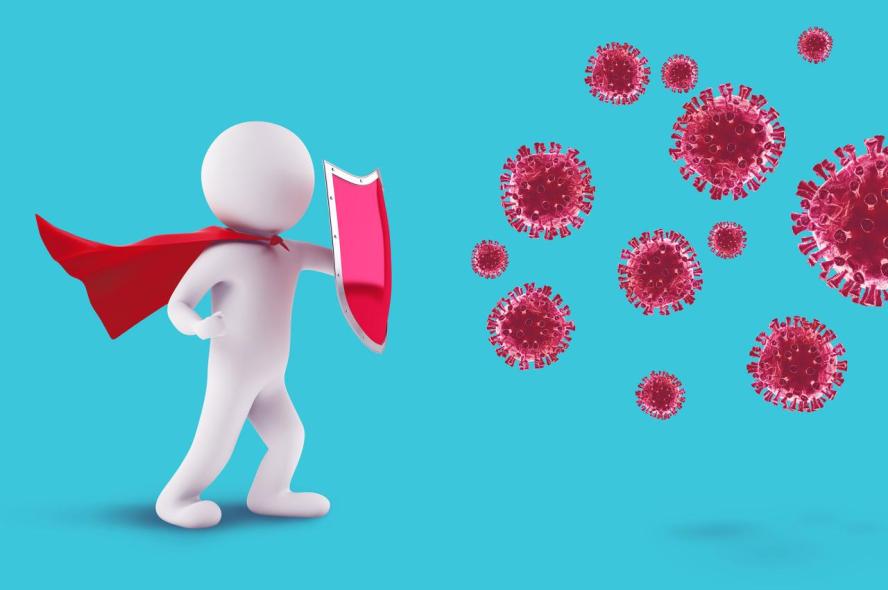
Most of us think of massage as a way to relax tight muscles or treat ourselves after a long week. But research shows regular massage can also support the body’s immune defenses. This happens through a combination of stress reduction, improved circulation, and better lymphatic flow—three systems closely tied to how the immune system functions.
Lower Stress, Stronger Immunity
When we’re under ongoing stress, the body produces higher levels of cortisol. Elevated cortisol over time can weaken immune responses, making it harder to fight off viruses or recover from illness. Massage helps shift the body out of stress mode and into the parasympathetic “rest and restore” state. This lowers cortisol and increases serotonin and dopamine, which support immune balance and emotional well-being.
In simple terms: when stress goes down, immunity has a chance to go up.
Better Circulation and Lymphatic Flow
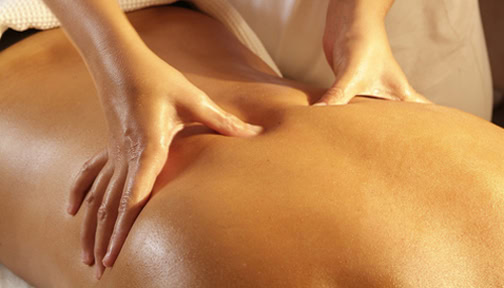
The immune system relies on good circulation to move protective cells throughout the body. Massage increases blood flow, helping oxygen and nutrients reach tissues more easily. At the same time, it stimulates the lymphatic system—the network that clears waste, fluid, and pathogens. Unlike blood, lymph doesn’t have a pump; it relies on movement and pressure. Massage helps move lymph along so the body can filter and remove what it doesn’t need.
This is one reason many people feel lighter and less swollen after a session. Beneath the surface, the immune system is simply working more efficiently.
Reducing Low-Grade Inflammation
Chronic, low-level inflammation is a common factor in many conditions, from joint discomfort to fatigue. Massage can help calm inflammatory responses by improving circulation and reducing stress hormones that fuel inflammation. For many people, this means less soreness, easier movement, and more energy day to day—all of which support overall health and resilience.
The Human Connection Matters Too
Beyond physical benefits, massage provides something simple but important: supportive human touch. Touch helps regulate the nervous system, reduces feelings of isolation, and improves mood—all of which have measurable effects on immune function.
A Practical Health Habit
You don’t need weekly treatments to see benefits. Many people find that receiving massage every 2–4 weeks helps maintain lower stress levels and healthy circulation. During high-stress seasons, more frequent sessions can be especially helpful.
Massage is not just a luxury—it’s a gentle, research-supported way to help the body stay balanced, resilient, and well.