
After 40, Muscle Deserves More of Your Attention
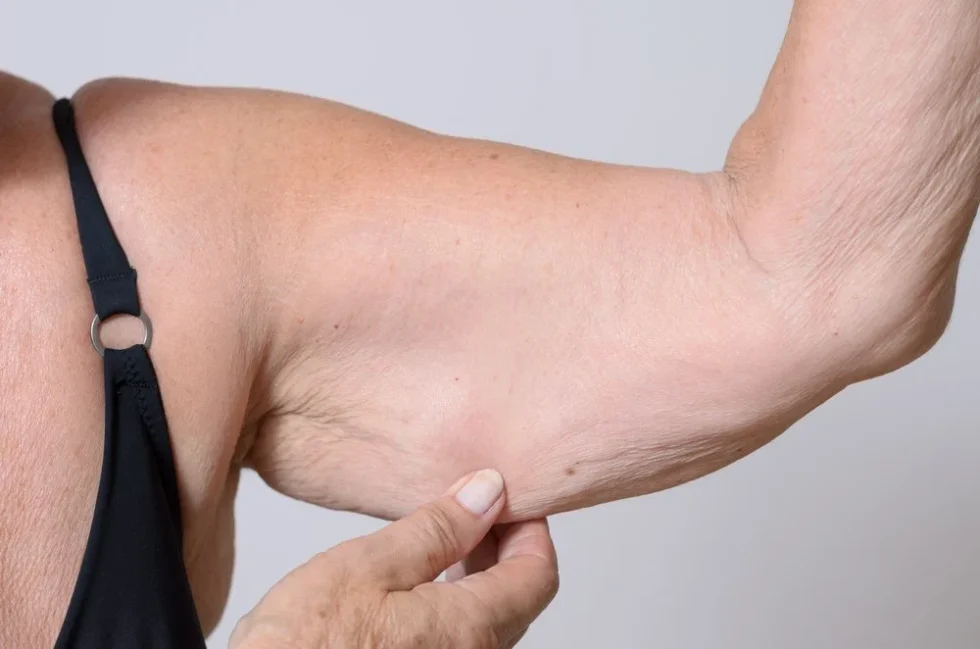
For much of adulthood, people think about weight. We step on scales, count calories and notice when our clothes fit differently. But somewhere in middle age, another measurement begins to matter enormously even though few of us track it: how much muscle we are carrying.
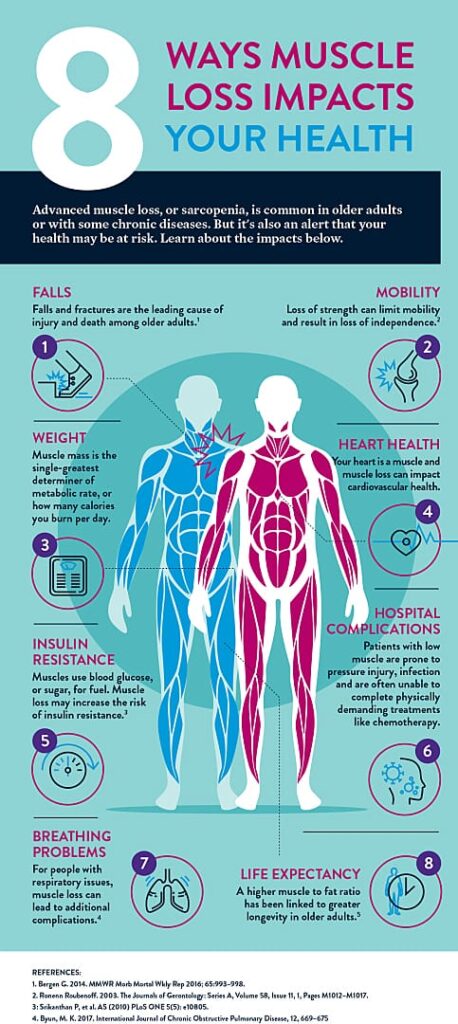
Muscle is not merely what makes an arm look toned. It helps us climb stairs, lift groceries, recover from illness, maintain balance and remain independent later in life. Age-related loss of muscle mass and strength eventually contributes to sarcopenia, frailty and functional decline.
That makes protein increasingly interesting as we age, because maintaining muscle helps preserve strength and physical function. But getting more doesn’t have to mean drinking protein shakes all day.
What protein looks like in real food
These are approximate amounts; brands and portions vary.
| Food | Approx. protein |
|---|---|
| 3 oz chicken breast | 25–27g |
| 3 oz salmon | 20–22g |
| 3 oz tuna | 20–22g |
| 2 eggs | 12g |
| 1 cup Greek yogurt | 18–23g |
| 1 cup cottage cheese | 24–28g |
| 1 cup milk | 8g |
| 1 cup cooked lentils | 17–18g |
| 1 cup cooked beans | 14–16g |
| 1 cup edamame | 17–18g |
| ½ cup tofu | ~10g |
| 2 Tbsp peanut butter | 7–8g |
| 1 oz almonds | ~6g |
| 1 oz cheese | ~7g |
| 1 cup cooked quinoa | ~8g |
The easiest change is breakfast
Many dinners already contain plenty of protein. Breakfast is where things often fall apart.
Toast + coffee: not much protein.
Two eggs + toast: better.
Greek yogurt + berries + nuts: easily 20 grams or more depending on portions.
Oatmeal made with milk + nuts + Greek yogurt: suddenly a much more substantial breakfast.
Lunch doesn’t need to be complicated either
If you order a salad, add chicken, salmon, tofu, beans or eggs.
If you eat soup, add Greek yogurt or cottage cheese on the side.
If you make a sandwich, pair it with yogurt rather than chips.
The goal isn’t to turn meals into mathematics. It’s simply to ask: where is the protein?
And don’t forget the other half of the equation
Eating more protein while remaining sedentary misses the larger point. Muscles need a reason to stay strong.
That doesn’t require becoming a weightlifter. Squats, resistance bands, machines, dumbbells and body-weight exercises all count. Carrying groceries, climbing stairs and remaining physically active matter too.
The long-term goal isn’t bigger biceps. It’s being able to lift your suitcase, get out of a low chair and carry your groceries decades from now.
At Massage Therapy Center Palo Alto, many of our clients use massage as part of a broader routine of exercise, mobility and recovery. Keeping your body strong and moving well is an investment that becomes increasingly valuable with age.